Nature
World
News
By
Sean Beck
Dec 12, 2025
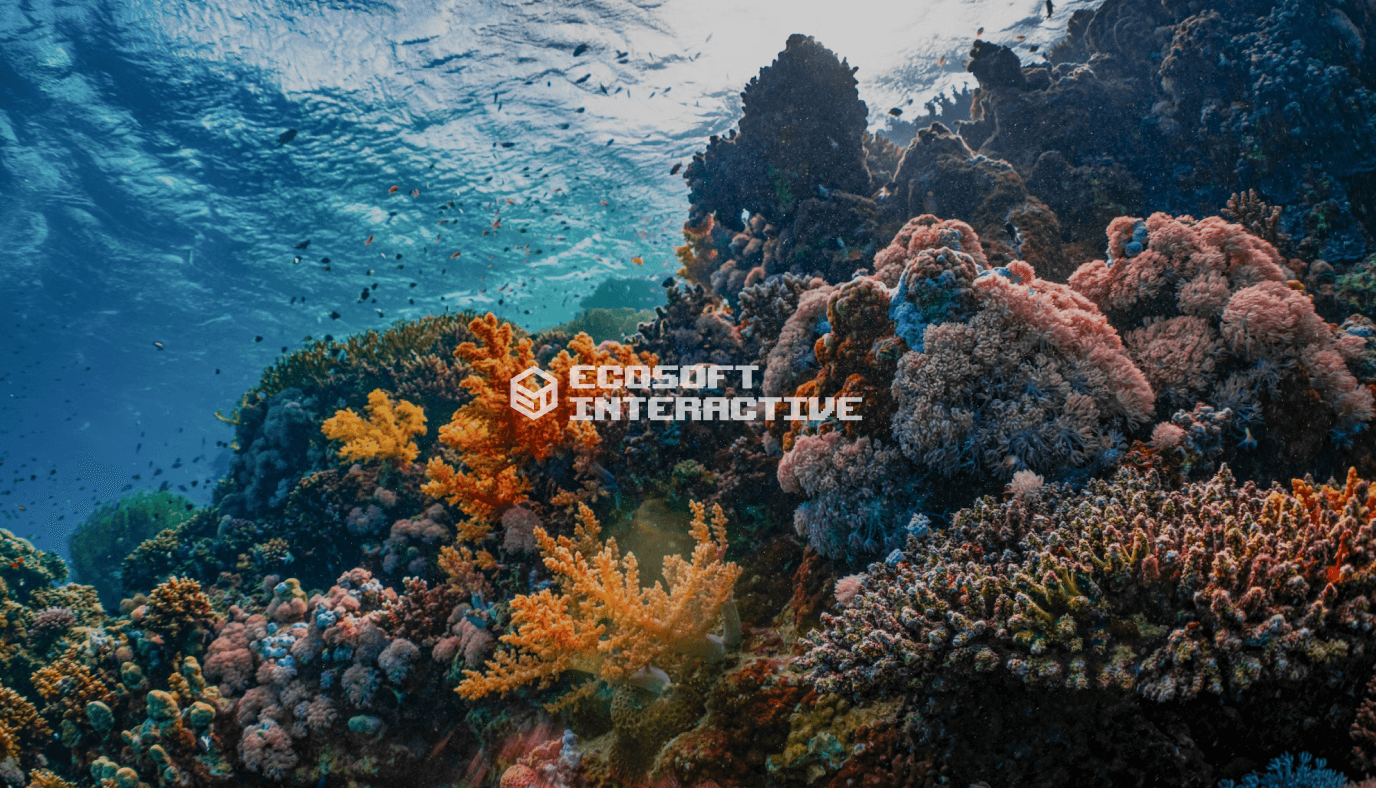
Marine scientists have unveiled a revolutionary method of restoring dying coral reefs using “sound gardens” — underwater acoustic installations that mimic the soundscape of a healthy reef to attract marine life and stimulate coral recovery.
🎧 The Science Behind Soundscapes
Healthy coral reefs are surprisingly noisy ecosystems. Snapping shrimp, grazing fish, and crackling crustaceans produce a constant underwater orchestra that signals a thriving habitat.
When recordings of these natural sounds are played back in dead or damaged reefs, two extraordinary effects occur:
Fish return up to 10× faster, thinking the area is recovering
Coral larvae settlement increases by up to 54%, accelerating regrowth
This process was discovered in small trials in Australia and has now evolved into a large-scale conservation strategy.
🌐 New Sound Garden Deployments in 2025
This year, installations have been placed in four key marine regions:
The Great Barrier Reef, Australia
The Maldives
The Red Sea, Egypt
The Philippines Coral Triangle
Each sound garden consists of:
Anchored waterproof speakers
AI-controlled playback patterns
Solar-powered buoy systems
Real-time biodiversity sensors
🌿 Early Results Are Remarkable
Data from the first six months show:
Fish populations increased by 280% compared to control zones
Algae overgrowth decreased, allowing coral fragments to thrive
Biodiversity levels rose by 12–19% across multiple species groups
Juvenile turtles, rays, and reef sharks returned earlier than expected
🗣️ What Experts Are Saying
Marine ecologist Dr. Rafael Medina describes the technology as:
“The first time we’ve been able to use sound — not chemicals, not physical intervention — to heal an ecosystem.”
Local Maldivian diver Shifa Aroofa adds:
“It feels like the reef is waking up again. The silence is gone. It sounds alive.”
🔮 The Future of Underwater Acoustic Conservation
Global organizations are already planning to expand sound gardens to 60+ reef systems by 2028, potentially restoring over 500 km² of damaged coral.
If scaled globally, scientists suggest the technique could help safeguard 25% of ocean biodiversity that depends on coral reefs.
Comments