Nature
World
News
By
Sean Beck
Dec 11, 2025
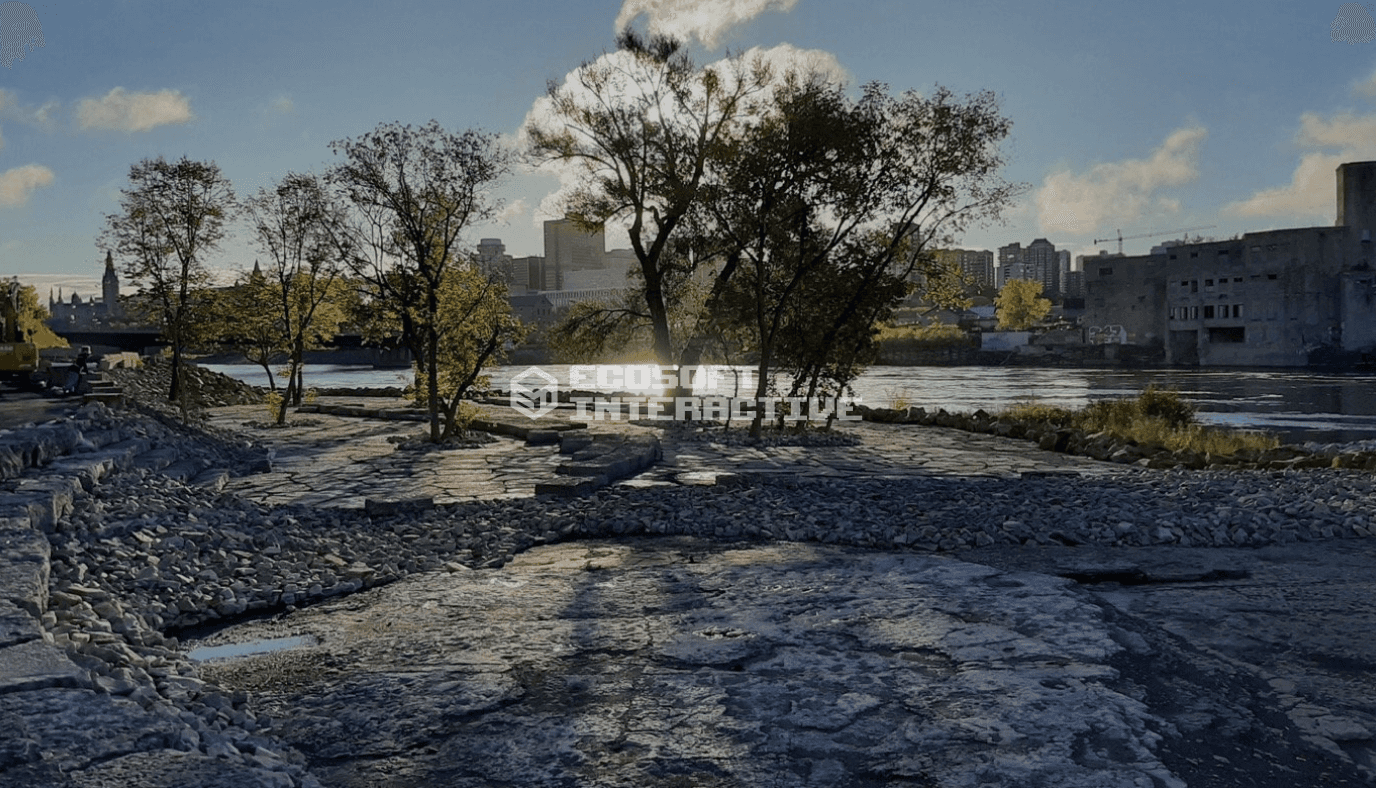
A city long plagued by seasonal flooding has unveiled a groundbreaking solution: transforming its riverbanks into a biodiversity park filled with native vegetation, wetlands, and protected habitats. The project blends environmental conservation with urban resilience, providing multiple benefits for both nature and residents.
From Flood Zone to Green Oasis
For years, the river that ran through the city was heavily polluted and prone to overflowing during the rainy season. Rapid urbanization had stripped away natural vegetation, leaving the riverbanks unstable and unable to absorb excess water.
To address the crisis, city planners launched a three-year restoration project consisting of:
Reintroducing native trees and shrubs
Constructing wetlands to absorb stormwater
Creating natural buffer zones to prevent erosion
Removing illegal dumping sites
Building pedestrian pathways, birdwatching areas, and educational signage
Remarkable Environmental Recovery
Since the launch of the biodiversity park, experts have observed significant ecological improvements:
A 40% reduction in flood risk during heavy rains
A return of migratory birds not seen for over a decade
Cleaner river water due to natural filtration by wetlands
Increased presence of fish and amphibians in restored areas
Environmental biologists monitoring the site report that the river ecosystem is healing faster than expected.
"This is proof that nature can recover if given space," said Dr. Lestari, an urban ecologist.
A New Public Space for the Community
The park has also become a beloved recreational area. Residents walk, cycle, and take part in community clean-up events along the revitalized riverbank. Weekend eco-tours and school field trips have become increasingly popular.
Local businesses near the park—cafés, bicycle rentals, and small shops—are experiencing a rise in visitors, boosting the local economy.
A Model for Climate-Resilient Cities
Inspired by the success of the project, other cities in the region are now exploring similar nature-based solutions to combat flooding, heat waves, and pollution. The riverbank transformation demonstrates that ecological restoration can be both practical and economically beneficial for urban areas.
Comments