Nature
World
News
By
Sean Beck
Dec 11, 2025
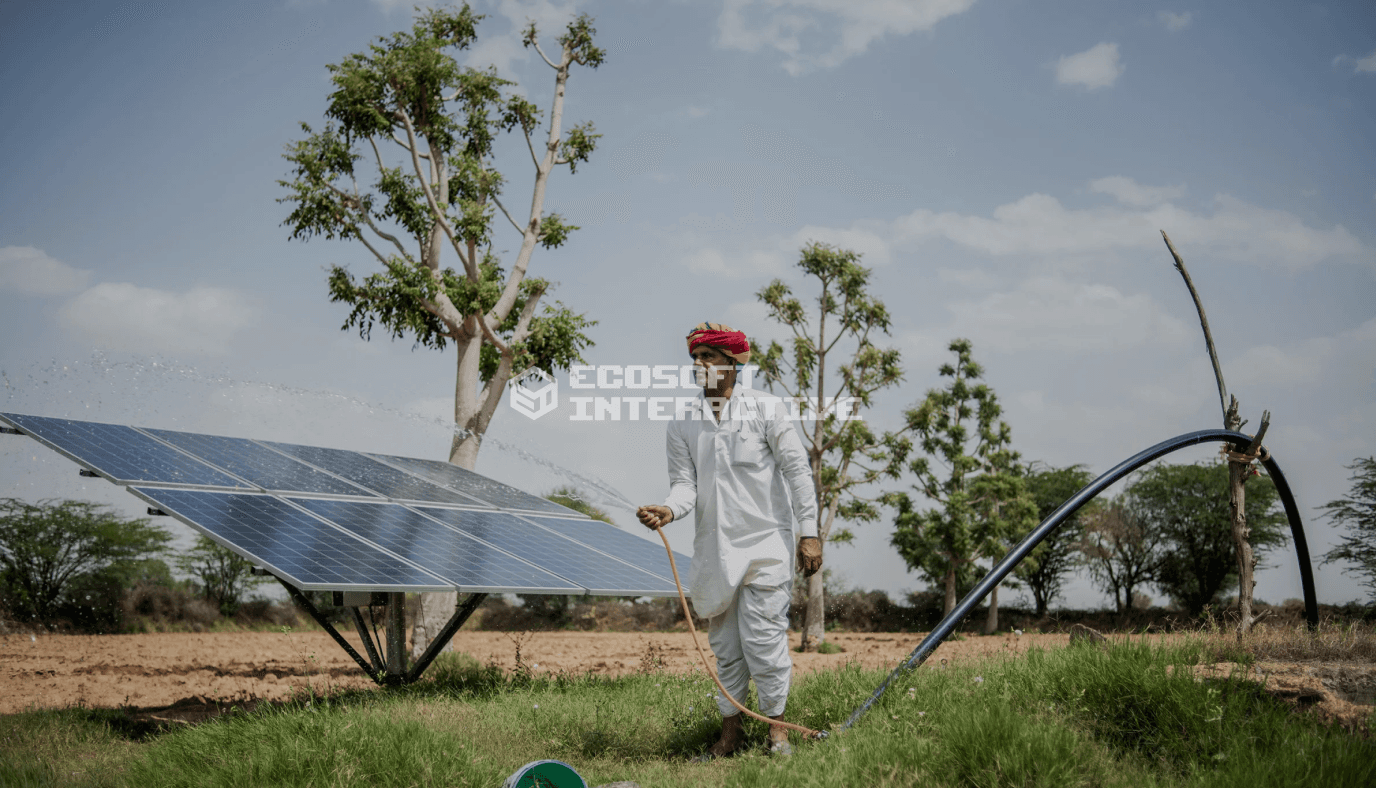
In a breakthrough for sustainable farming, several rural communities across the region have successfully transitioned to solar-powered irrigation systems, replacing decades of dependence on diesel pumps. The shift marks a major milestone for farmers who have long struggled with fluctuating fuel prices, water scarcity, and climate-driven droughts.
A Long-Awaited Alternative to Diesel
For many farming families, irrigation has always been a financial burden. Rising diesel costs often prevented farmers from watering crops regularly, leading to inconsistent yields. With the introduction of solar-powered systems, that burden has eased dramatically.
The new system uses solar panels mounted on metal frames that power water pumps connected to deep wells and small reservoir tanks. During peak sunlight, the pumps run autonomously—no fuel, no noise, and minimal maintenance.
"We used to have to choose between buying diesel or fertilizer. Now the sun does the work," said Mr. Arif, a vegetable farmer who is now able to harvest twice as much as last year.
Increased Production and Income Stability
Since the installation of the solar pumps, crop yields—especially chili, onion, and leafy vegetables—have risen by 30–50%. Farmers now have reliable access to water throughout the dry season, enabling year-round planting cycles.
Before the solar irrigation project, most farmers could only plant once or twice a year due to water limitations. Now, they can manage up to three planting cycles annually, dramatically increasing income and food availability.
Environmental and Economic Benefits
The environmental footprint of farming has also improved. Diesel consumption in participating villages has dropped by an estimated 70%, reducing carbon emissions and air pollution.
Local cooperatives are now planning to establish a shared maintenance center to train young technicians, ensuring the system’s long-term sustainability.
Expansion Plans
Encouraged by the initial success, regional authorities plan to expand the solar irrigation program to 40 additional villages next year, with a focus on drought-prone areas. NGOs and international donors have also expressed interest in funding further development.
Comments