Nature
World
News
By
Sean Beck
Dec 15, 2025
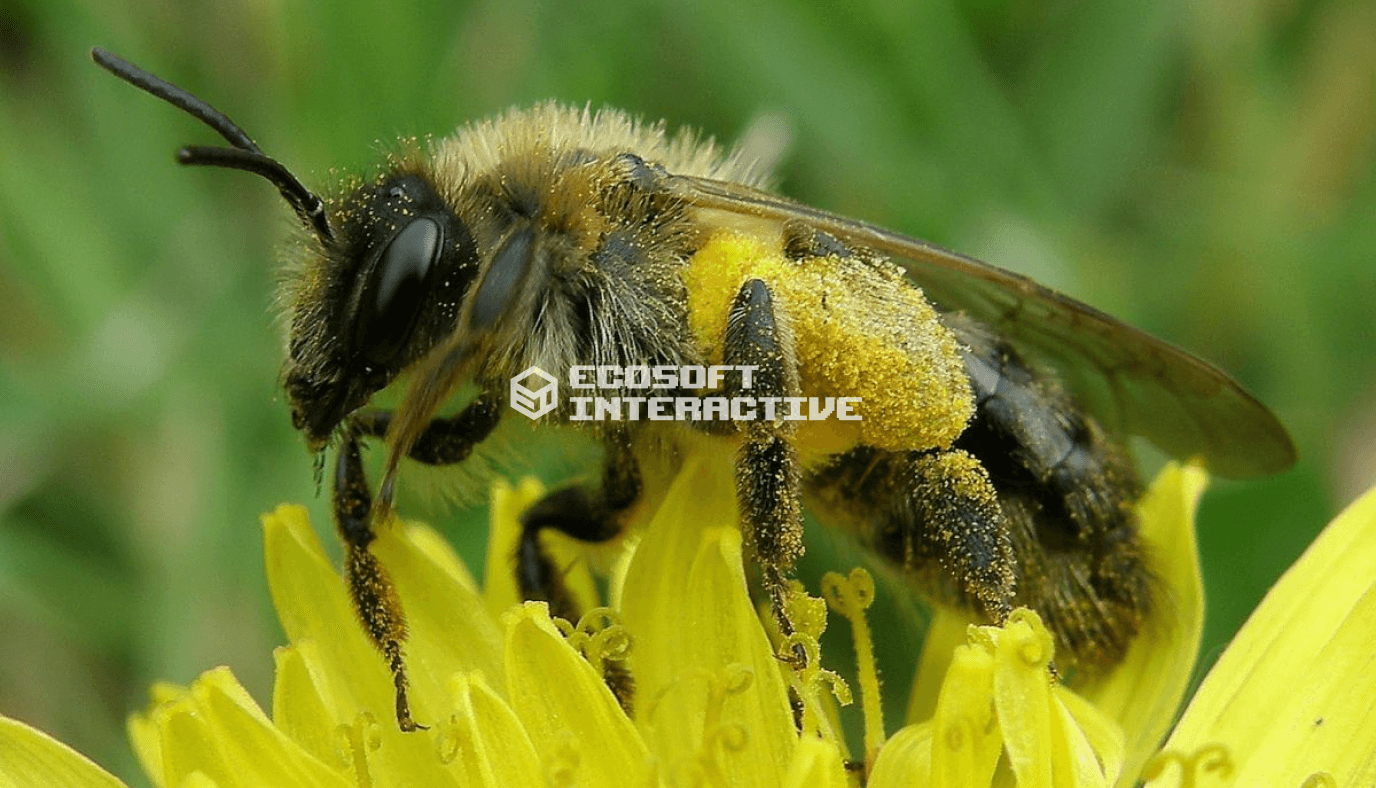
Cities known for concrete and manicured lawns are witnessing the return of wild bee populations after launching programs that replace grass with native flowering corridors designed to support pollinators.
Reversing a Silent Decline
Pollinators have been disappearing at alarming rates due to pesticide use, habitat loss, and climate change. In response, urban planners and ecologists created continuous flower pathways connecting parks, schools, and roadsides.
Measurable Results
After just two years:
Wild bee populations increased by nearly 45%
Butterfly species richness doubled
Pesticide use in public spaces dropped by 70%
The flowers bloom in staggered cycles, ensuring nectar availability year-round.
Community Participation
Residents now adopt roadside flower patches and track pollinator sightings through mobile apps. Children participate in seed-bombing workshops and biodiversity walks.
“The city hums again,” said one urban ecologist.
“That sound means life is returning.”
Beyond Biodiversity
The flower corridors also reduce stormwater runoff, cool urban temperatures, and cut municipal lawn-maintenance costs.
Comments