World
News
By
Sean Beck
Dec 16, 2025
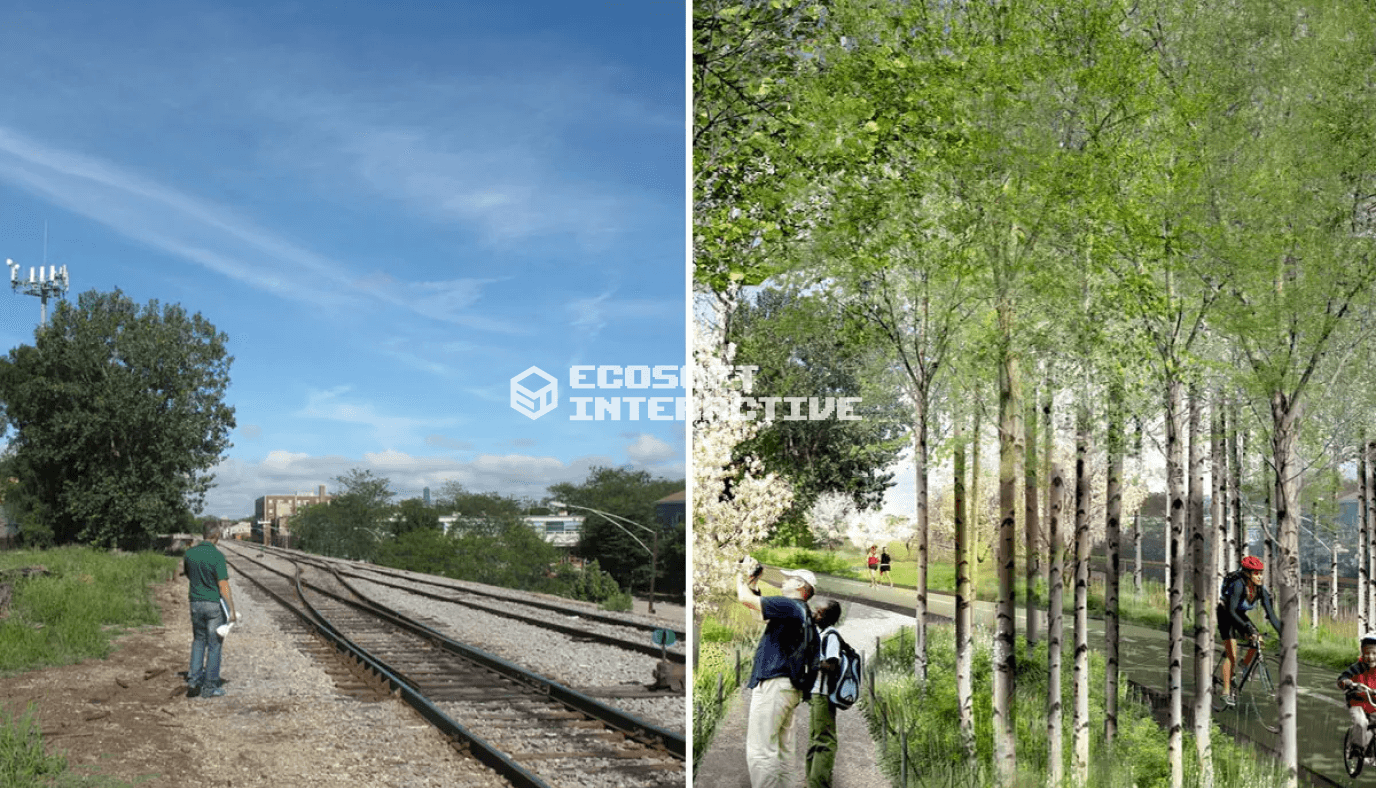
A long-abandoned railway line has been successfully transformed into a 12-kilometer green corridor, bringing new life to urban ecosystems while creating a sustainable public space for residents. The project demonstrates how forgotten infrastructure can be repurposed to address climate change, biodiversity loss, and the lack of green spaces in cities.
From Rusted Tracks to a Living Landscape
For decades, the railway was left unused, filled with rusting metal, illegal dumping, and invasive plants. The sealed soil worsened flooding during heavy rain and turned the area into an environmental and social burden.
City authorities, working with environmental groups and local communities, launched a restoration project focused on nature-based solutions. The tracks were removed, soil was restored, and more than 15,000 native trees, shrubs, and wildflowers were planted.
Measurable Environmental Impact
Within two years, environmental monitoring recorded:
A 35% increase in urban biodiversity
The return of birds, butterflies, and small mammals
Improved rainwater absorption and reduced flooding
Surface temperatures lowered by up to 3°C
The corridor now functions as a wildlife passage, reconnecting fragmented green areas across the city.
A Shared Space for People
Beyond its ecological role, the corridor has become a popular space for walking, cycling, and environmental education. Schools regularly use the area for outdoor learning, teaching students about urban ecosystems and climate resilience.
Urban planners are now studying the project as a national model for sustainable city redevelopment.
Comments