News
Updates
By
Sean Beck
Feb 4, 2026
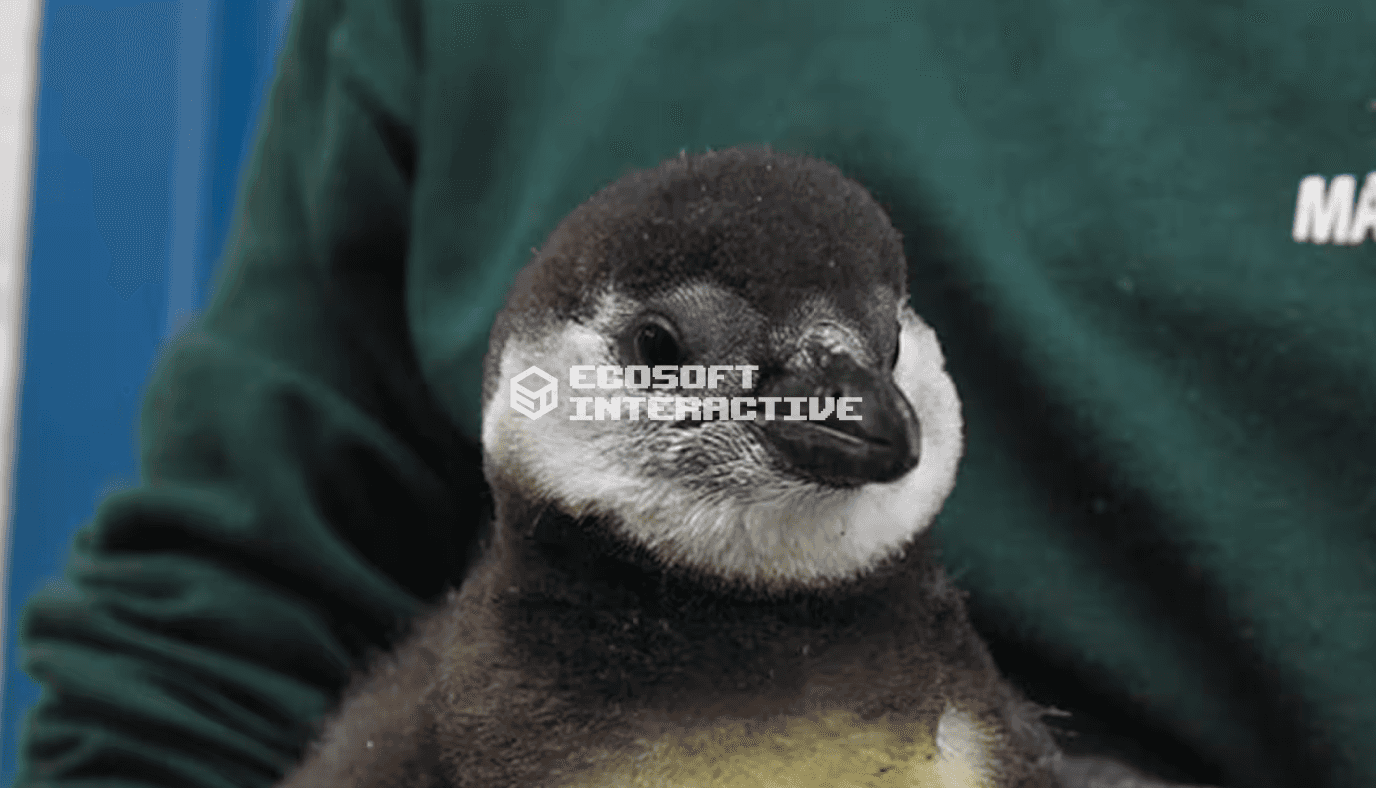
African penguin chicks hatch at the Maryland Zoo in Baltimore, where eight critically endangered offspring emerged during the most recent breeding season.
The African penguin chicks hatch as part of a long-running conservation effort focused on the species, whose global population has declined by roughly 90% since the early 1900s. The Maryland Zoo welcomed eight chicks during the latest breeding cycle, which was carefully timed to coincide with the birds’ natural spring-to-summer nesting season. Zoo biologists say replicating these environmental cues is essential to encouraging healthy breeding behavior in captivity.
The newest arrivals are already winning hearts. This year’s naming theme draws inspiration from fruits and vegetables, with the first two chicks named Kiwi and Cayenne. Additional names will be announced as the chicks grow older and develop distinct personalities, a process that helps engage the public while reinforcing conservation messaging around the species.
The African penguin chicks hatch after an incubation period of approximately 38 to 42 days. During this time, eggs are closely monitored by animal care teams, who track temperature, humidity, and parental behavior. Once hatched, chicks rely heavily on both parents and keepers, receiving frequent feeding and protection until they gain strength and begin exploring their surroundings.
The Maryland Zoo plays an outsized role in African penguin conservation. It is home to the largest colony of African penguins in North America and has successfully hatched over 1,000 chicks in several decades. Some penguins remain at the zoo, while others are transferred to accredited facilities across the United States and Canada to help establish genetically diverse and resilient colonies.
The hatch came at a critical moment for the species. In the wild, penguins face mounting threats from overfishing, habitat degradation, and climate-driven shifts in fish distribution. Adult penguins are often forced to travel farther offshore to find food, increasing the risk that chicks are left unattended for too long. Scientists warn that without sustained intervention, African penguins could become extinct in the wild within the next decade.
The zoo’s breeding success is part of the African Penguin Species Survival Plan (SSP), a coordinated initiative that aligns accredited zoos and aquariums around shared genetic and conservation goals. The program helps ensure healthy population management while also supporting research that can inform protection efforts in natural habitats. Bird curator Jen Kottyan, who oversees the SSP, has emphasized that every chick represents both hope for the species and an opportunity to educate the public.
Beyond the immediate joy of new hatchlings, the fact that African penguin chicks hatch so consistently at the Maryland Zoo underscores the importance of well-managed conservation breeding. These programs serve as insurance populations, safeguarding species against extinction while broader efforts address threats in the wild. They also allow researchers to study penguin behavior, health, and reproduction in ways that are difficult to achieve in open-ocean environments.
As the chicks grow, keepers will track key developmental milestones, including feather growth, swimming ability, and social behavior. These stages are crucial for long-term survival and offer valuable insights that can inform global conservation strategies. Visitors to the zoo can observe the chicks as they mature, helping strengthen emotional connections that often translate into public support for wildlife protection.
African penguin chicks hatch each year at institutions participating in SSP-style programs, creating a networked approach to conservation that extends far beyond any single zoo. Data collected from these efforts inform best practices, improve breeding outcomes, and strengthen collaboration among conservationists, scientists, and policymakers.
Ultimately, while African penguin chicks hatch in protected environments like the Maryland Zoo, their future depends on action beyond zoo walls. Safeguarding marine ecosystems, responsibly managing fisheries, and addressing climate change remain essential to ensuring that African penguins can once again thrive in the wild. For now, these eight new chicks stand as living symbols of what coordinated conservation can achieve, and why continued effort still matters.
Comments