Nature
World
News
By
Sean Beck
Jan 20, 2026
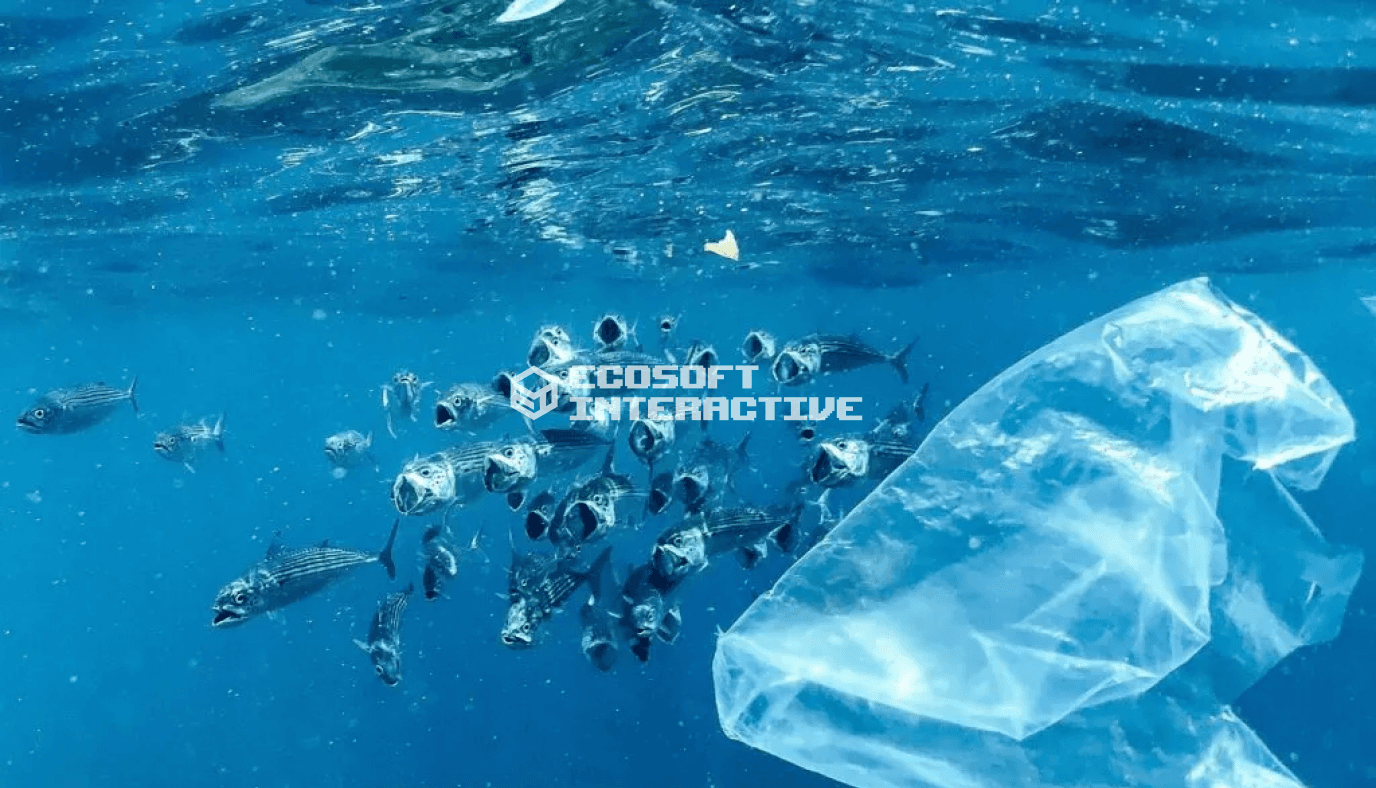
California’s plastic bag ban restricts the use of disposable plastic shopping bags at most retail stores to help reduce litter in waterways, beaches, and landfills.
The state’s efforts to reduce plastic pollution are making headlines again. California’s plastic bag ban reflects ongoing progress in reducing single-use waste and shaping national conversations about sustainable consumption. First enacted in 2016, the statewide policy restricts the use of thin disposable plastic shopping bags at most retail stores, aiming to prevent litter from entering waterways, beaches, and landfills.
The law required retailers to replace single-use bags with either paper alternatives or thicker, reusable plastic bags intended for multiple uses. Over time, measurable improvements have emerged. Environmental groups report a significant decline in plastic bag litter along beaches and in storm drains, while community surveys indicate an increasing adoption of durable bags made from recycled materials among consumers.
However, many residents still treat thicker bags as disposable, which has unintentionally boosted sales of heavier plastic bags and created a secondary waste stream. California’s plastic bag ban highlights how policy alone is not enough. Lasting change depends on consistent consumer behavior and retailer accountability.
Recently, state lawmakers reaffirmed the original ban and are considering proposals to phase out thicker plastic bags entirely. Some cities are advocating for a complete shift to cloth or recycled fiber bags designed to last for years. Supporters argue that a stronger, standardized policy would reduce confusion and prevent companies from marketing disposable products as “sustainable.” These discussions underscore the importance of clear regulations to guide both consumers and businesses toward responsible packaging practices.
The impact of the ban extends far beyond state borders. More than a dozen U.S. states and several national governments are closely watching California’s experience, using it as a model for their own legislation. Strong outcomes in the state could accelerate broader environmental policies across North America, proving that local initiatives can inspire regional and even global change.
Plastic bag waste remains a highly visible environmental issue worldwide. Millions of tons of plastic enter the oceans each year, endangering fish, seabirds, and marine mammals. Bags fragment into microplastics that spread through water, soil, and food chains, causing long-term contamination that affects ecosystems, public health, and coastal economies. Reducing bag waste is a tangible step toward limiting these impacts, and California’s ban has played a key role in this effort.
Progress has also been supported by innovative community programs and pilot initiatives. Some grocery stores and farmers’ markets now offer bag return and reuse systems, while educational campaigns encourage shoppers to adopt waste-free habits. These efforts demonstrate that once consumers understand the benefits, most are willing to embrace reusable alternatives. Meanwhile, investments in recycling infrastructure help ensure that replacement products are managed responsibly, further reducing environmental impact.
Looking ahead, California’s plastic bag ban suggests the next phase could include stricter reporting requirements for retailers and updated performance standards for replacement products. Clearer guidelines would help businesses make informed decisions about packaging, avoid misleading sustainability claims, and ensure that reusable alternatives are genuinely durable.
Ultimately, the policy reflects the evolving expectations of consumers. Residents increasingly want cleaner neighborhoods, healthier oceans, and transparency about which materials are truly reusable or recyclable. Success relies on collaboration among lawmakers, scientists, retailers, community organizations, and everyday shoppers. California’s plastic bag ban demonstrates that sustainable change is rarely instantaneous. It grows through steady improvements, thoughtful course corrections, and persistent engagement.
The story of California’s ban illustrates a broader lesson: environmental solutions evolve over time, responding to practical challenges and shifting behaviors. By reinforcing the ban, phasing out loopholes, and promoting durable alternatives, California continues to lead the way in reducing plastic waste. As states and countries observe these results, the path to a waste-free future becomes clearer, demonstrating that policy, education, and community action, when combined, can create meaningful environmental change.
Comments