Updates
News
World
By
Sean Beck
Jan 12, 2026
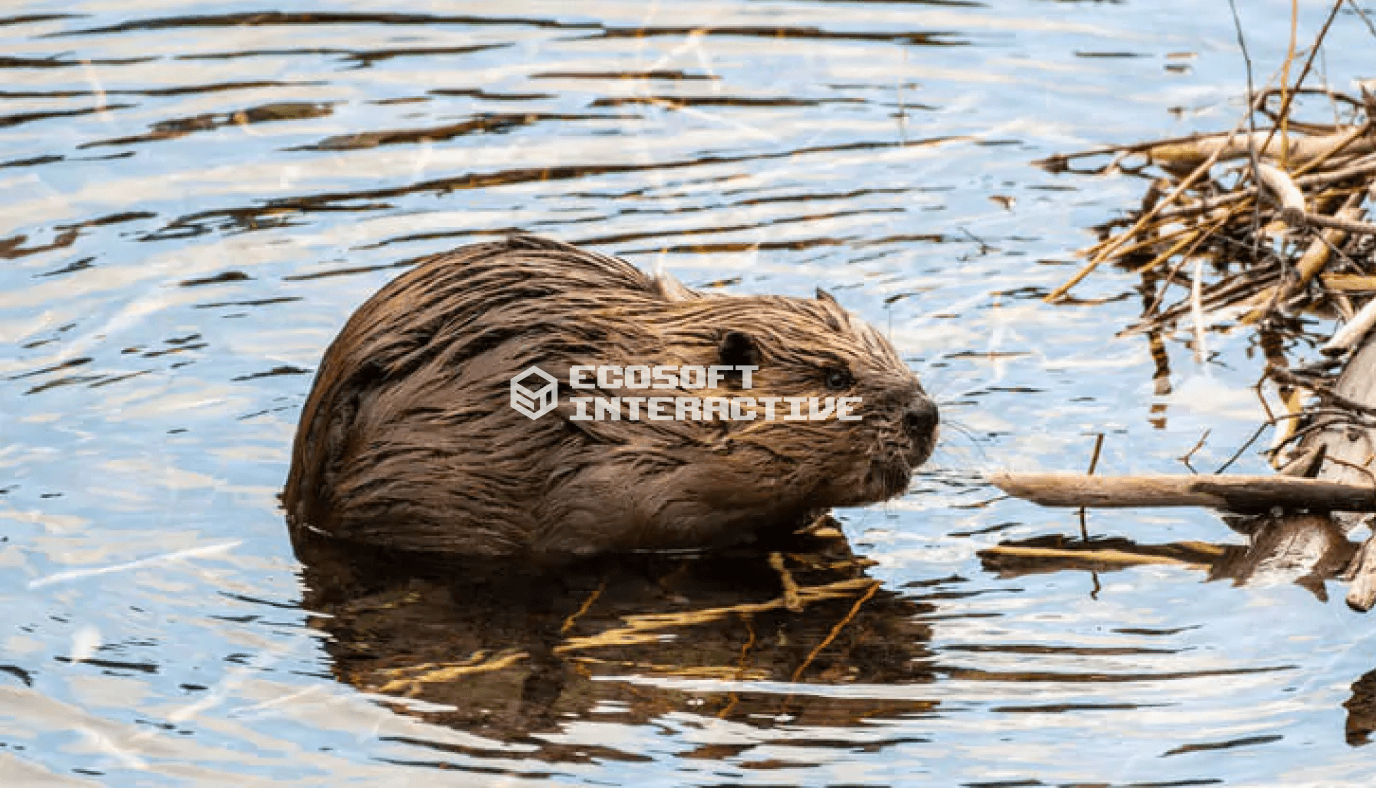
California beaver reintroductions are quietly reshaping the state’s rivers and wetlands, proving that some of the best engineers on Earth come with fur, tails, and a taste for bark.
Once widespread across California, beavers shaped rivers and streams for thousands of years. Their dams slowed water flow, trapped sediment, created lush riparian zones, and stored water underground, natural infrastructure that supported fish, birds, and amphibians alike. But decades of trapping, development, and habitat loss nearly wiped them out, leaving rivers more vulnerable to droughts, floods, and extreme climate events.
Today, relocated beaver families are returning to landscapes in the Central Valley and Sierra Nevada, transforming streams into thriving wetlands. Their dams raise groundwater levels, expand riparian vegetation, and create conditions that allow native fish and amphibians to flourish once again.
A recent report from the California Department of Fish and Wildlife (CDFW) indicates that beavers released between October 2023 and September 2024 have produced litters and built dams at three of the five pilot-release sites. At the most productive site, beaver activity increased the surface water area by around 23%.
In some areas, these wetlands even act as natural storm buffers, absorbing peak flows that might otherwise flood nearby communities. It’s a vivid example of how working with nature can provide climate benefits that would cost millions to replicate with concrete and steel.
The dams slow down the water, spreading it across floodplains and allowing it to seep gently into groundwater aquifers. This rejuvenates dry streams and helps keep water flowing late into dry seasons.
Beaver-created wetlands also help fight wildfires. Streams and ponds retain water longer, keeping surrounding vegetation green during the dry season. Studies show areas with active beaver dams burn far less intensely and with lower vegetation loss than similar landscapes without wetlands. These ponds and wetlands act as natural firebreaks, a small but meaningful shield in a state where wildfire risks are escalating each year.
California beaver reintroductions aren’t without challenges. Some dams appear in unexpected places, such as road culverts, irrigation channels, or farmland. Farmers worry about water backing up into fields, and in a few cases, beavers have left their release sites, prompting managers to relocate new families. These situations highlight the importance of coexistence strategies.
But tools exist to manage these challenges. Flow-control devices can maintain stable water levels without the need to remove beavers. Simple fencing can protect trees, canals, or agricultural infrastructure. Community training and outreach programs educate residents, farmers, and landowners on how to live alongside these industrious animals. These solutions are more cost-effective and sustainable than repeated relocations or infrastructure repairs, offering long-term benefits for both people and wildlife.
Support for beaver reintroductions has recently increased across California. The Beaver Restoration Program, part of the state’s broader initiative to adopt nature-based solutions, now supports ecological monitoring, habitat assessments, and community outreach. Success depends on selecting appropriate sites, those with enough space, flexible water flows, and communities willing to accept beavers.
Indigenous knowledge has played a key role: tribal resource managers remind project leaders that beavers historically shaped California’s rivers, and that harmonious coexistence is possible if humans respect long-term ecosystem dynamics.
The potential of the California beaver reintroductions is enormous. Instead of relying solely on costly infrastructure, communities are discovering how natural processes can restore balance. Beavers provide habitat, water security, and climate resilience without the need for electricity, fuel, or constant maintenance. They rebuild waterways around the clock, using only sticks, mud, and instinct.
Because beaver dams regulate stream flow, promote groundwater recharge, and expand wetlands, they support a range of ecosystem services: improved water quality, aquifer recharge, flood mitigation, and carbon sequestration. Wetland soils and vegetation capture carbon, while saturated soils slow microbial decomposition, storing carbon for decades or even centuries.
These wetlands also create biodiversity hotspots. Fish, such as native trout or salmon, amphibians, aquatic insects, waterfowl, and riparian birds, all find refuge in the variety of habitats that beaver activity produces, ranging from deep pools to marshy edges, seasonally flooded meadows, and slow-moving streams.
Not every challenge is a setback. The mixed results of California beaver reintroductions offer valuable lessons in patience, adaptation, and the importance of balancing science and community experience. Restoration is rarely linear, and each new wetland or dam is a reminder that resilience grows from collaboration and long-term thinking. It also raises a fascinating question: What other species, if given the opportunity, might help restore ecological balance?
As California faces hotter summers, more intense storms, and shifting water availability, beaver-based solutions provide hope. These small mammals demonstrate that when humans support nature rather than fight it, ecosystems can recover faster than expected. California beaver reintroductions are more than an ecological experiment. They serve as a blueprint for how wildlife can help us tackle climate challenges while enriching landscapes for generations to come.
Comments