Nature
World
News
By
Sean Beck
Dec 16, 2025
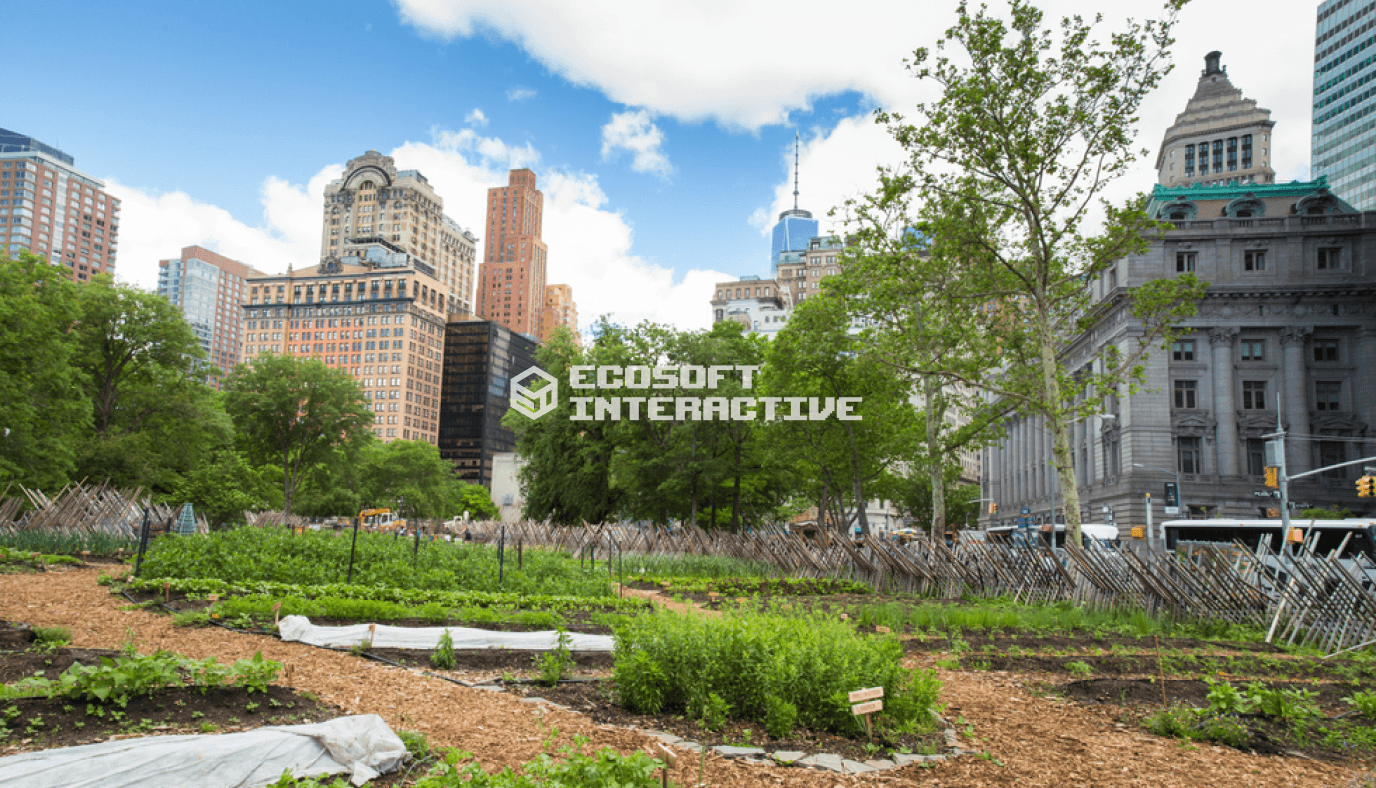
A major city has taken a significant step toward a circular economy by transforming food waste from traditional markets into organic fertilizer used in urban farms and community gardens.
Tackling the Organic Waste Problem
Every day, markets generate tons of fruit and vegetable waste that previously ended up in landfills, producing methane emissions and increasing disposal costs.
The city introduced a system to separate, collect, and compost organic waste. Within three to four weeks, the waste is converted into nutrient-rich compost.
Proven Results
Since the program began:
Organic waste sent to landfills dropped by 50%
Urban soil quality improved significantly
Greenhouse gas emissions declined
Hundreds of urban farms gained access to free fertilizer
The compost supports vegetable gardens on rooftops, school grounds, and vacant land across the city.
Social and Environmental Benefits
Urban farming supported by compost has improved access to fresh produce, particularly in low-income neighborhoods. The program has also created green jobs in waste collection, processing, and urban agriculture.
City officials say the initiative lays the foundation for a low-emission, resource-efficient urban future.
Comments