Nature
World
News
Updates
By
Sean Beck
Dec 24, 2025
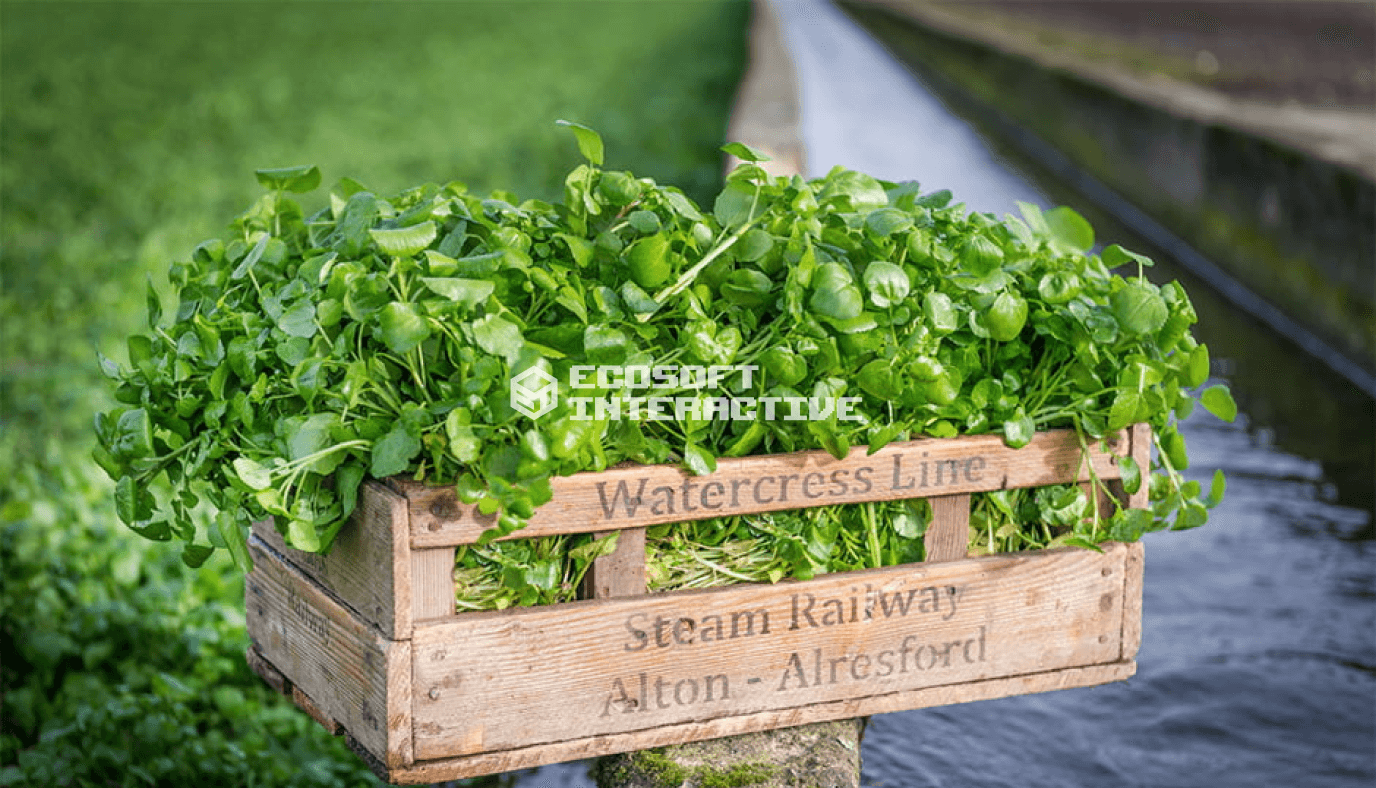
The Watercress Company has practiced insect-friendly agriculture on its UK farms for 25 years, eliminating all pesticides while maintaining commercial success.
The Watercress Company stopped using pesticides across all its UK farms 25 years ago, creating a thriving ecosystem that now supports 1.7 billion insects across 16 hectares of watercress beds. The bold decision in 2000 went against mainstream farming practices but has proven commercially successful while producing residue-free crops every week.
The company supplies 80 percent of watercress sold in UK retail stores, shipping 0.5 million bags weekly. Over the past 25 years, it has produced and sold more than 25 million kilograms of pesticide-free watercress without most consumers knowing about the environmental practices behind their purchase.
Tom Amery, who was Technical Director in 2000 and now serves as Managing Director, convinced the company board to eliminate all sprays from UK operations. The decision carried significant risk as no one could predict how nature would respond or whether uncontrolled insect populations would damage crops.
Today, natural balance has returned to the watercress beds through insect-friendly agriculture methods. The insects work in harmony, with 99 percent living in the watercress without eating the plants themselves. Each species performs specific functions that benefit crop production.
Robert Aquilina, an independent freshwater ecologist, has monitored insect life and water quality in the beds. His latest report, published in September 2025, confirms for the seventh consecutive year that species present are typical of chalk streams with good diversity and high water quality scores.
Chalk streams are rare ecosystems found primarily in southern England, with only about 200 remaining worldwide. These crystal-clear waterways flow over chalk bedrock, maintaining constant temperatures and high oxygen levels that support unique plant and animal communities. The water from The Watercress Company’s beds flows into these precious chalk streams, making the company’s insect-friendly agriculture practices crucial for protecting downstream ecosystems.
This year, researchers recorded two new species on farms where they had not been seen before. A flat-bodied mayfly called Heptagenia sulphurea and a caseless caddis called Hydropsyche pellucidula appeared in the watercress beds, indicating improving environmental conditions. Both species are indicators of excellent water quality in chalk stream habitats.
When Aquilina examined a cross-section of a watercress bed from the growing leaves down to the gravel and sand bottom, he compared it to the Amazon jungle. Different insect species occupy distinct layers, with spiders and mayflies living on and under the leaf canopy, feeding on other insects.
Millions of non-biting midges provide a consistent food source for growing numbers of birds and bats around the watercress beds. Other species feed on debris in the gravel and sand, releasing nutrients that reduce the need for fertilizers. This natural nutrient cycling demonstrates how insect-friendly agriculture can reduce input costs while supporting biodiversity.
The company developed specialized harvesting equipment to protect insect life. Custom harvesters use shaker belts that gently agitate cut crops, bouncing most insects off and returning them to the watercress beds rather than sending them to packaging facilities.
The Watercress Company also sources specialist packers with advanced wash systems to rinse crops and remove any remaining insects before packaging. Packers have accepted that occasional imperfections like small holes in leaves indicate truly chemical-free farming rather than quality problems.
The UK has no official audit or symbol for residue-free produce on packaging. Organic certification exists but requires additional criteria that are difficult for farmers to meet, and many consumers perceive organic products as expensive.
The company owns and manages watercress farms in Spain to sustain UK sales during winter when British production drops. Spanish farms have been pesticide-free for five years and are being assessed by Zerya, an auditing scheme recognized across Europe that certifies residue-free producers.
Once the audit is complete, The Watercress Company will become the first UK operator certified residue-free. However, UK supermarkets have not yet allowed such recognition on packaging, fearing consumer confusion and potential negative impact on products that are not residue-free.
Amery explained that the company wanted to be the best in the industry. The vision was to be pesticide-free, leading to the 2000 decision to remove all sprays from UK operations. Over 25 years, the farms have been colonized by 1.7 billion insects that help production rather than harm it.
The farming approach returns watercress cultivation to traditional methods used before the agricultural revolution of 1945, when industrial farming introduced pesticides and fertilizers to maximize production. The company believes this method is environmentally, morally, and ethically sound.
The pesticide-free commitment does carry commercial risk. This summer, the company had to bypass 50 tonnes of watercress due to a sawfly infestation, a one-in-ten-year event that tested their resolve to remain pesticide-free.
Chalk streams remain among England’s most threatened habitats, facing pressures from agriculture, water extraction, and pollution. The Watercress Company’s insect-friendly agriculture demonstrates that commercial food production can actively support rather than degrade these fragile ecosystems. The approach protects water quality while maintaining the biodiversity that makes chalk streams globally significant.
Amery noted that the story would appeal to growing numbers of consumers who care about pesticide use, but without package labeling, shoppers cannot be informed about these achievements. The water from the beds flows into rivers, benefiting downstream ecosystems and maintaining water quality in chalk streams that support species found nowhere else on Earth.
Comments