World
News
Updates
By
Sean Beck
Dec 22, 2025
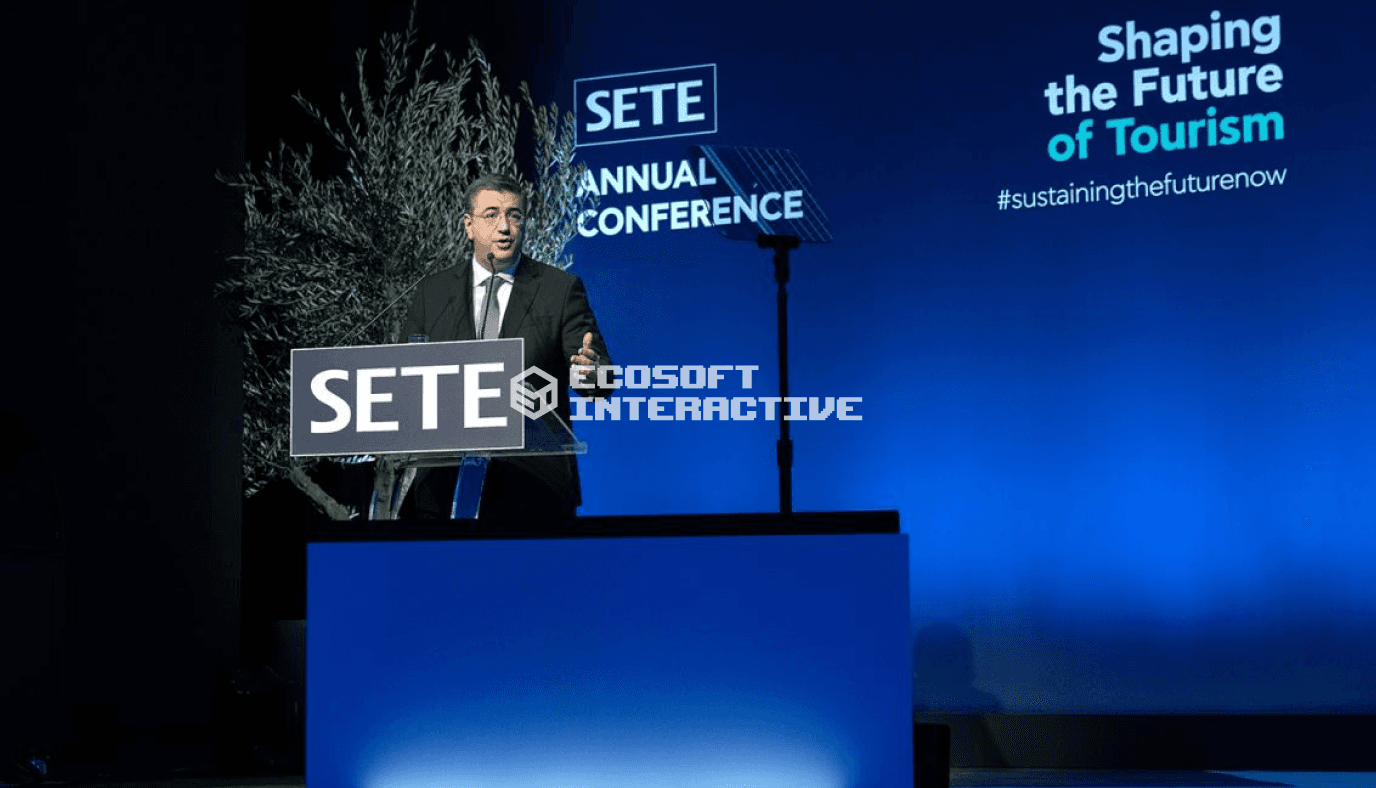
The European Union is preparing its first-ever EU sustainable tourism strategy, placing sustainability, community resilience, and climate responsibility at the heart of how Europe welcomes the world.
The European Union has announced its first-ever sustainable tourism strategy during the 2025 Global Tourism Forum in Brussels, Belgium, marking a defining shift in how the continent approaches travel and environmental responsibility. The unveiling comes amid record visitor numbers and intensifying climate risks, showing why the strategy is more urgent than ever.
Set to launch in 2026, the EU sustainable tourism strategy aims to balance economic growth with environmental protection and community well-being. It seeks to manage the growing pressures on infrastructure, ecosystems, and local populations while ensuring that Europe’s tourism future remains both prosperous and sustainable.
True sustainability means reducing emissions across travel sectors, protecting cultural and natural heritage, and ensuring that tourism supports balanced development. Tourism contributes 5.1% of the EU’s gross value added, around €807 billion annually, and employs more than 20 million people. Yet the boom in visitors, particularly to Spain, France, Germany, and Italy, has strained local infrastructure and resources. These four countries account for more than 60% of all overnight stays in Europe, with over tourism and seasonality driving environmental degradation and social tension.
The new strategy directly addresses this imbalance, promoting equitable growth and distributing visitors more evenly throughout the continent and the year. Though the EU cannot legislate tourism directly, its influence over transport, energy, and environmental policy gives it powerful tools to shape the sector indirectly.
Measures such as the ReFuelEU Aviation Regulation, focused on sustainable aviation fuel, demonstrate the EU’s capacity to guide the industry through environmental policy. These rules affect costs, routes, and travel patterns across Europe. Without sustainable management, tourism’s rapid growth could undermine its own competitiveness and even local acceptance. Europe’s warming rate, double the global average, amplifies these risks. Some cities, like Barcelona and Copenhagen, already model the EU’s vision with more trees, smarter infrastructure, and resilience to floods and heatwaves.
Building on the 2022 Transition Pathway for Tourism, which set 27 sustainability goals, the new plan integrates over 500 pledges from 240 organizations. Initiatives such as Copenhagen’s CopenPay, which rewards eco-friendly behavior with local experiences, show how innovation can engage travelers while reducing their environmental impact, supporting the aims of the new strategy.
The EU sustainable tourism strategy seeks to make European travel more sustainable by reducing overcrowding, promoting eco-friendly mobility, and improving coordination across member states. It also aims to strengthen resilience against crises, from climate shocks to geopolitical disruptions, ensuring long-term viability for Europe’s top destinations.
The Commission’s inclusive approach, incorporating public consultations and stakeholder feedback, ensures the strategy reflects diverse perspectives. Running from 2023 to 2025, the Sustainable EU Tourism project has already helped destinations improve environmental and social outcomes. Its peer-to-peer twinning mechanism connects cities facing similar challenges, fostering collaboration on accessibility, seasonality, and changing consumer behavior.
In 2025, 90 Destination Management Organizations gathered in Brussels for workshops generating concrete solutions, from gamified awareness campaigns to year-round tourism programs. The Commission also published best practices from 50 destinations tackling issues such as water scarcity and waste management. Examples like Benidorm’s advanced water recycling system and Bled’s zero-waste tourism model show how innovation can align economic growth with environmental stewardship. Complementing these efforts, the EU’s new Communication Toolkit provides materials to promote responsible travel across Europe.
The appointment of a dedicated Commissioner for Transport and Tourism underscores the EU’s long-term commitment to addressing mass tourism. The new sustainable tourism strategy recognizes that Europe’s tourism future depends on harmony between growth and conservation, visitors and residents, tradition and innovation.
Technology and data will play central roles in optimizing visitor flows, reducing environmental footprints, and enhancing the tourist experience. Smart tourism powered by digital tools protects natural resources while enriching cultural engagement, helping the EU achieve the goals outlined in its sustainable tourism strategy.
At its core, the EU sustainable tourism strategy acknowledges that solutions already exist; they just need scaling. The plan emphasizes inclusivity, ensuring access for older travelers and people with disabilities, protecting local culture, and prioritizing community well-being alongside economic gain. Digital training for tourism professionals, especially in smaller cities and rural regions, will help ensure equitable capacity to implement the new model. By addressing environmental, social, and technological dimensions together, Europe aims to craft a tourism system that serves people, planet, and prosperity alike.
Comments