News
Updates
World
By
Sean Beck
Dec 19, 2025
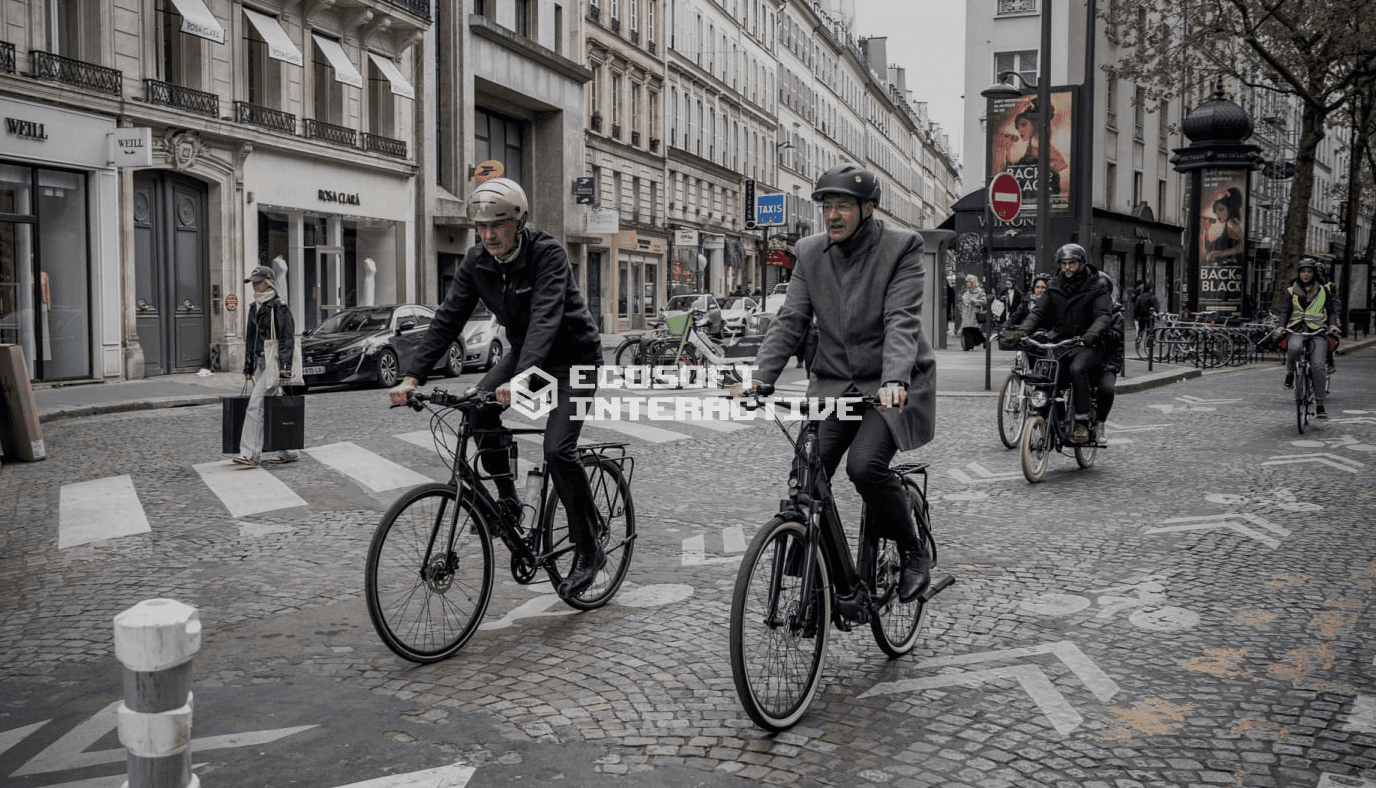
A new study reveals Paris as the world’s best cycling city, surpassing Amsterdam and Copenhagen in child-friendly transportation infrastructure.
Paris has emerged as the world’s best cycling city for children, having transformed from a traffic-choked nightmare into Europe’s safest place for kids to walk and bike around independently. The French capital beat out cycling legends like Amsterdam and Copenhagen in a major new study by the Clean Cities Campaign.
This ranking looked at three key areas that matter most for kids getting around safely: special school streets that block cars during certain hours, protected bike lanes separated from traffic, and lower speed limits throughout the city. Paris emerged as the top destination, thanks to bold changes made, especially under Mayor Anne Hidalgo’s leadership, over the past decade.
Living in Berlin myself, I’ve watched how European cities can completely change their approach to getting around. What Paris has done to claim the title of world’s best cycling city for families shows it’s possible to put kids first when planning streets and transportation. The results speak for themselves – families now feel comfortable letting their children bike to school instead of driving them.
The transformation didn’t happen overnight. Paris began its major cycling infrastructure overhaul around 2014, with the most significant changes occurring between 2020 and 2024. During this four-year period, the city added hundreds of kilometers of protected bike lanes and implemented widespread speed reductions. Other cities attempting similar changes can expect meaningful results within three to five years of sustained investment.
The biggest game-changer has been Paris’s network of protected bike lanes. These aren’t just painted lines on the road that cars ignore. They’re physically separated paths that keep cyclists completely away from vehicle traffic. Paris now has these protected routes covering almost half of all its streets, which matches what Helsinki has achieved and helps explain why it’s considered the world’s best cycling city for children.
For parents, this changes everything. Sending your kid off to school on a bike used to feel risky and scary. Now it’s becoming the normal way families get around the city. The infrastructure makes it safe enough that parents actually trust it, contributing to Paris’s reputation as a cycling paradise.
School streets have also made a huge difference across Paris. These are roads right around elementary schools that are closed to most car traffic during key times, such as drop-off and pickup. They make the air cleaner, reduce accidents, and encourage more families to walk or bike instead of driving.
London actually has more of these school streets than Paris, but Paris still ranks high and continues to add more each school year. Research shows these zones don’t just protect kids – they actually convince families to leave their cars at home more often. It’s urban planning that supports parents in making healthier choices while building a world-class cycling environment.
Speed limits represent the third major change that helped Paris earn its ranking. Paris now enforces slower speeds on almost nine out of ten streets throughout the city. Most roads are limited to around 19 mph, instead of the higher speeds that were once common.
Any parent knows the difference this makes. Would you feel more comfortable with your child biking near cars travelling 30 mph versus cars travelling 19 mph? The slower speeds aren’t just about numbers on a sign. They change how safe the streets actually feel for families in what many now consider the world’s best cycling city.
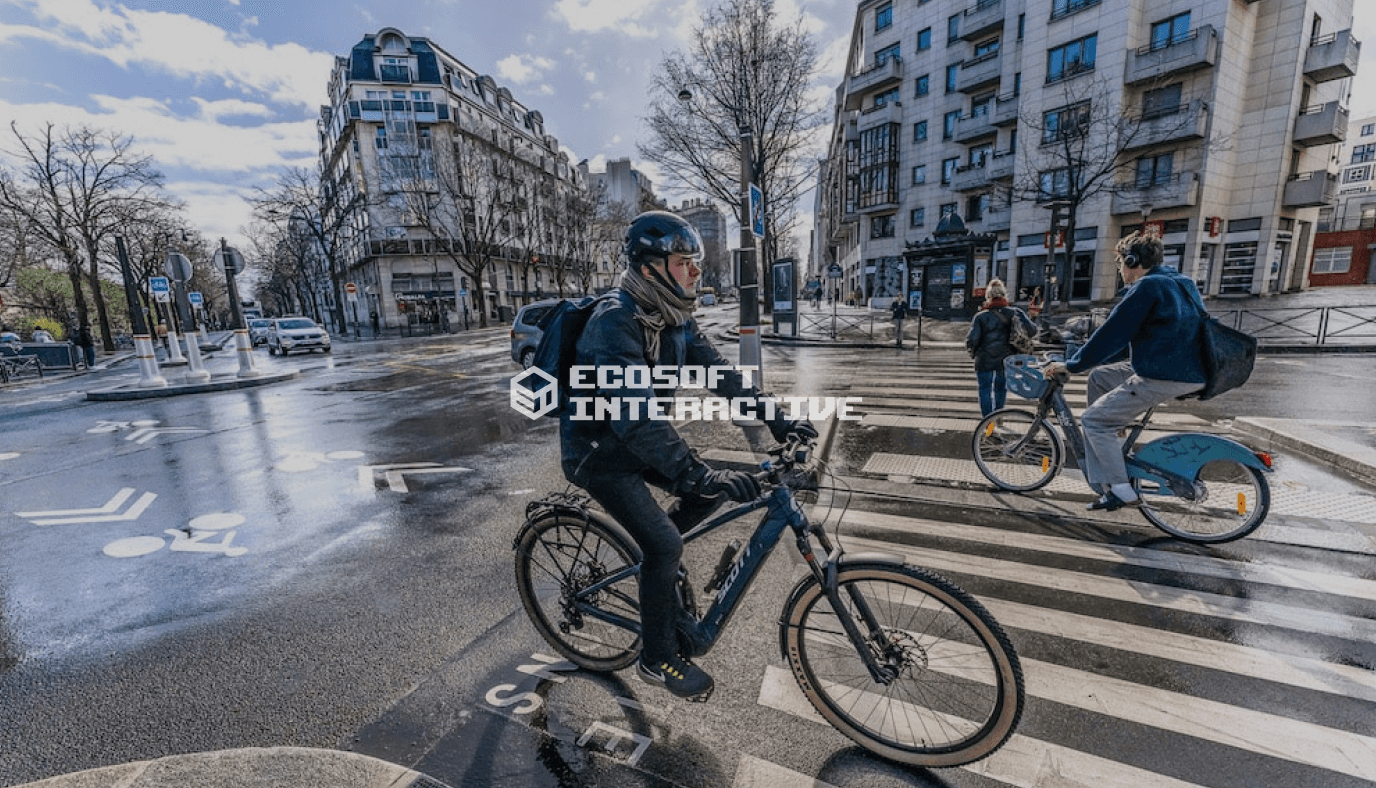
The economic impact of these changes has been largely positive. Local businesses near protected bike lanes report increased foot traffic and sales. Property values in neighbourhoods with extensive cycling infrastructure have risen faster than the city average. While initial construction costs were significant, the city estimates long-term savings from reduced healthcare costs and improved air quality will offset the investment within fifteen years.
The rankings revealed some surprises about which cities are truly bike-friendly for children. Amsterdam came in second place, followed by Antwerp, Brussels, Lyon, and Helsinki. Copenhagen dropped all the way to 11th place despite having lots of bike infrastructure. The city lost points for lacking school streets and being slow to create more low-speed zones.
The study found big differences even within the same country. Italy has some excellent school street programs in cities like Bologna, but four Italian cities ended up at the bottom of the rankings. Political resistance and uneven implementation held them back. Germany and Poland showed similar inconsistencies because many areas still prioritize cars over people.
Health benefits from Paris’s transformation have been substantial. Air pollution levels dropped by roughly one-quarter in areas with the most extensive cycling infrastructure. Emergency room visits for cycling accidents involving children decreased significantly after protected lanes were installed. Physical activity levels among school-age children increased as more families chose active transportation options.
Even with all this progress, no city earned a perfect score. Paris still needs to expand school streets to more districts throughout the city. The Clean Cities Campaign wants governments to give local leaders more power to prioritize children when planning how people get around cities.
For anyone who bikes regularly, these changes represent a major shift in how European cities think about cycling. The infrastructure being built to keep children safe also makes cities healthier, quieter, and more enjoyable for everyone who lives there. Paris is now leading this movement toward child-friendly urban design.
Cities that haven’t started moving in this direction yet need to take action. The examples from Paris demonstrate that it’s possible to create streets where families feel comfortable letting their children walk and bike independently. It requires political will and sustained investment, but transforming into a cycling-friendly environment is achievable.
Comments