Nature
News
World
By
Sean Beck
Jan 1, 2026
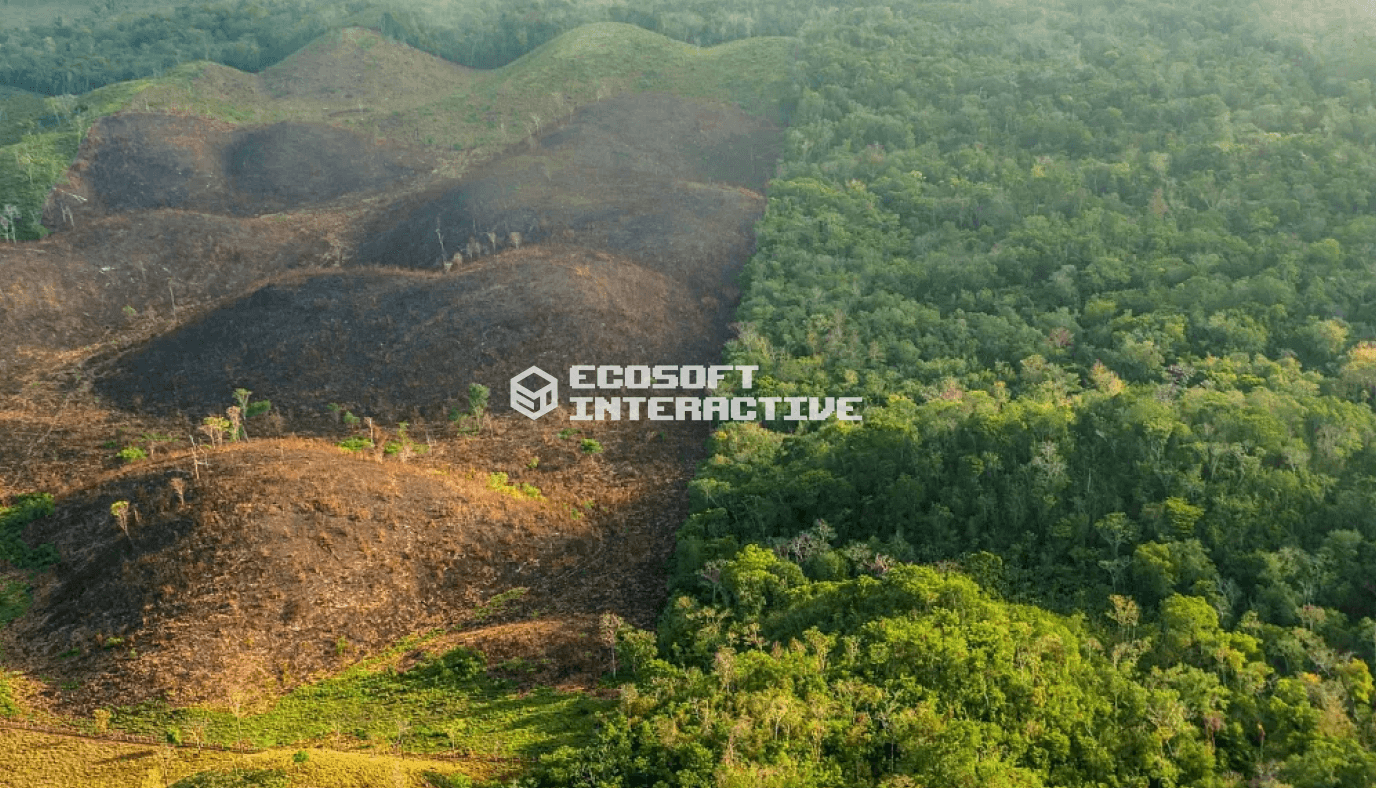
Guatemala is rewilding oil fields in Laguna del Tigre National Park, converting its main crude production site into a conservation enforcement base to protect the threatened rainforest.
Guatemala just made a bold move to save one of Central America’s most threatened forests. The country is shutting down its main oil operation and replacing it with a military and police base dedicated to protecting the Maya Biosphere Reserve from criminal activity.
The Xan oil field is located within Laguna del Tigre National Park, a massive protected area in northern Guatemala that has been losing forest at an alarming rate. Instead of renewing the oil company’s contract, which expired in August, officials decided the land would be better used as a headquarters for fighting illegal cattle ranching, logging, and drug trafficking.
This decision wasn’t just about conservation. The oil operation, run by the Anglo-French company Perenco since the early 2000s, produced most of Guatemala’s domestic crude oil. But the extraction process required enormous amounts of water and created serious pollution risks. The government determined these environmental costs made the operation unprofitable in the long run.
President Bernardo Arévalo framed the move as taking back control of national territory that criminals have exploited for years. The new facility will house both military personnel and officers from the National Civil Police, who will conduct regular patrols throughout the area.
The Maya Biosphere Reserve connects protected forests across Guatemala, Belize, and southern Mexico, creating one of the largest biological corridors in the region. Laguna del Tigre National Park spans over 800,000 acres within this reserve, but it has become a hotspot for illegal activities.
Criminal groups have been steadily clearing the forest for cattle ranches, which serve as fronts for drug trafficking operations. The flat, isolated terrain makes perfect landing strips for planes carrying drugs from South America. Valuable timber gets shipped to markets in Asia and North America. Every year, thousands of acres disappear.
The illegal cattle operations have created another serious problem. They’ve helped spread the screwworm, a parasitic fly that burrows into the flesh of mammals. The pest has moved through Central America over the past two years, as cattle have crossed through protected areas without proper inspections. Cases are now appearing in southern Mexico.
The pipeline that transported oil from the field will continue operating until 2044, but no new drilling will happen. Guatemala is shifting its energy strategy toward hydropower, solar energy, and natural gas.
Local environmental groups have mixed feelings about the announcement. Some see it as a genuine opportunity for communities to participate in forest restoration and sustainable development programs. The government plans to increase funding for protected area services and create a multimillion-dollar environmental fund focused on the Maya Biosphere Reserve.
But others aren’t convinced the increased military presence will make much difference. The reserve already has police and military personnel, yet illegal activity continues. Corruption within enforcement agencies remains a major obstacle.
Critics point out that armed forces haven’t been effective at monitoring crossing points along the Mexican border, where criminal groups still move freely. Some conservationists view the announcement as political theater rather than meaningful change.
President Arévalo took office last year after running a campaign that emphasized environmental and Indigenous rights. His administration has promised a complete turnaround on conservation policy, particularly for the Maya Biosphere Reserve.
The Environment and Natural Resources Ministry announced new measures targeting human settlements that clear protected land for agriculture and cattle ranching. Officials are also working with Mexico and Belize on coordinated enforcement efforts across borders.
International funding is being redirected from research projects to direct forest conservation work. One project in the northern Petén department involves substantial investment, while another is being coordinated through the Central American Commission for Environment and Development.
The government’s environmental minister emphasized that protecting the Maya Forest benefits both Guatemala and the global climate. Conservation efforts in this region are crucial because the forest stores a massive amount of carbon and provides habitat for species found nowhere else.
Whether this transition from oil field to enforcement base will actually reduce illegal activity remains to be seen. Success will depend on whether the government can overcome the corruption and lack of coordination that have plagued previous conservation efforts.
For now, the closure of the oil operation represents a significant shift in priorities. Guatemala is betting that protecting its forests will provide more long-term value than extracting the oil beneath them. Communities living around the reserve will be watching closely to see if the increased government presence brings real change or just more empty promises.
The stakes are high. What happens in Laguna del Tigre National Park over the next few years could determine the fate of one of the most biodiverse regions in Central America.
Comments