News
Updates
By
Sean Beck
Feb 4, 2026
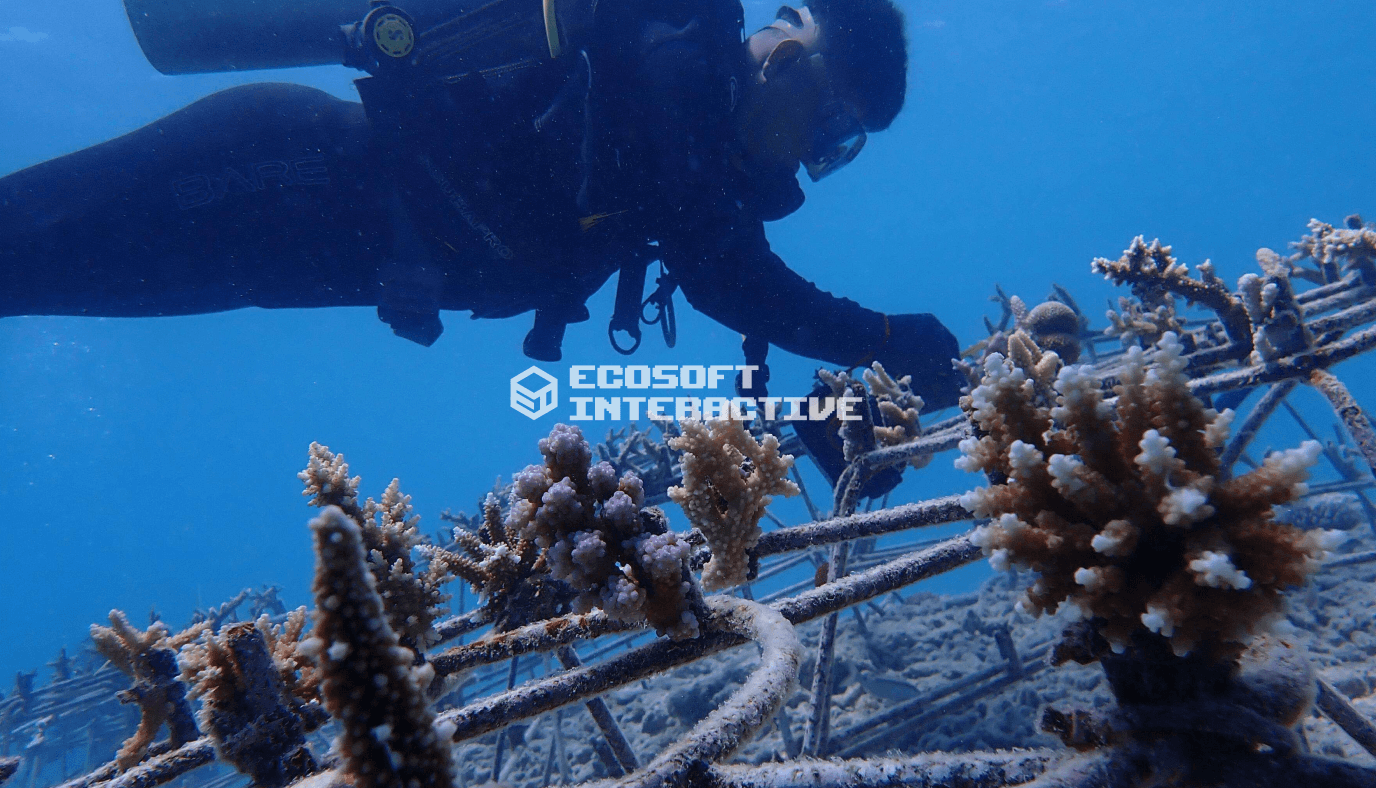
Artificial reef structures built from concrete blocks restore devastated fisheries while protecting waters from illegal bottom trawling in Cambodia.
Artificial reef structures transform how Cambodia protects its coastal waters. Marine Conservation Cambodia designed simple concrete blocks that serve multiple conservation purposes. The structures deter illegal fishing while creating habitat for marine life to recover from decades of destruction.
Bottom trawling devastated Cambodia’s inshore fisheries over many years. Heavy nets dragged across seafloors destroy everything in their path. Benthic habitats, including seagrass, seaweed, and bivalve reefs, disappear under trawling pressure. The practice remains the primary cause of habitat destruction within the Kep Archipelago.
Marine Conservation Cambodia helped establish Kep’s first Marine Fisheries Management Area in 2018. Legal protections alone proved insufficient. Illegal trawling continued despite new regulations. Limited patrol capacity meant enforcement remained inconsistent. The organization needed practical tools to defend protected waters.
Research surveys revealed that trawled areas lost their ability to regenerate naturally. Destroyed habitats affected both marine ecosystems and local fishermen’s livelihoods. Recovery required active intervention beyond passive protection measures.
The organization developed Conservation and Anti-Trawling Structures as its solution. These artificial reef structures allow free water movement while maximizing surface area for colonization. Filter feeders settle on the blocks quickly and function as underwater filters that improve water quality.
Design simplicity makes the approach accessible to communities. Residents can build the concrete blocks themselves using basic materials and tools. Since 2018, communities in Kep and Kampot have requested assistance in deploying structures within their fisheries areas. Communities follow simple plans to construct blocks while Marine Conservation Cambodia helps with underwater placement.
Individual blocks remain easy to make, transport, and carry. After deployment, assembled structures become robust and heavy enough to resist currents and wave action. The concrete artificial reefs adapt to different depths through height adjustments. They prove strong enough to snag trawler nets that contact them.
Alternating block placement creates microhabitats within each structure. Crevices and holes provide refuge spaces that remain intact even after trawling attempts. These protected areas shelter remaining marine life and support the recovery of pioneer species, including seagrass and bivalves.
Interlocking concrete blocks create stable configurations that withstand marine conditions without constant maintenance. Durability ensures long-term effectiveness after initial deployment investment.
Designers incorporated features beyond anti-trawling functions. The concrete reef structures provide essential breeding and nursing areas for juvenile marine life. Protected spaces allow young fish to mature before facing predation pressure. Higher survival rates support faster population recovery.
Water circulation continues unimpeded through the structures. This prevents oxygen depletion in surrounding areas. Maximum surface area enhances recruitment opportunities for sessile organisms. Filter feeders, including sponges, tunicates, and bivalves, colonize available surfaces rapidly. Their feeding activity improves water clarity by removing suspended particles and excess nutrients.
Results demonstrate clear effectiveness. Marine Conservation Cambodia recorded the first trawler avoidance behavior in 2019. The approach passively deters illegal trawling without requiring active enforcement. The artificial reefs create physical obstacles that trawlers must avoid. Contact between nets and blocks causes expensive equipment damage. This risk encourages vessels to fish elsewhere.
Species abundance increased continuously after deployment. Marine mammal sightings rose in protected areas where artificial reef structures were concentrated. Seagrass regrowth accelerated in zones with structure deployments. Fish stocks increased measurably. Local fishermen reported improved catches within and around protected areas. The ecosystem benefits translated directly to economic improvements for coastal communities.
Mussels and oysters recolonized the structures within months of installation. These filter feeders indicate improving water quality and ecosystem health. The structures provide attachment surfaces that natural seafloors have lost to years of trawling.
Fish species returned after the artificial reefs created a suitable habitat. Seahorse populations rebounded in areas where they had crashed. Sea turtles began frequenting restored zones for feeding. Marine mammals, including dolphins, visit the protected areas regularly. This biodiversity recovery indicates successful ecosystem restoration.
The structures function as building blocks that enable flexible conservation strategies. Their modular nature allows customized deployment patterns. Communities can concentrate blocks where protection proves most needed. Expansion happens incrementally as funding and materials become available.
Local ownership strengthens conservation outcomes significantly. Communities that build and deploy artificial reef structures develop personal investment in success. Residents monitor conditions, report problems, and maintain protection. This engagement proves more regenerative than externally imposed conservation programs.
The design transfers easily to other locations facing similar challenges. Bottom trawling devastates coastal fisheries globally. Artificial reefs offer adaptable tools that communities can implement using locally available materials and labor.
Cambodia’s coastal communities traditionally depend on small-scale fishing for food security and income. Industrial trawler competition undermines their livelihoods by depleting fish stocks. Artificial reef structures help protect areas where artisanal fishers work without preventing legitimate small-scale fishing activities.
National Geographic recognized the innovation by awarding Marine Conservation Cambodia the Marine Protection Prize. This international recognition validates the approach and encourages broader adoption.
The structures complement other conservation strategies effectively. They work alongside marine protected area regulations, community education programs, and sustainable fishing initiatives. Integrated approaches prove more effective than single interventions.
Success requires patience as marine ecosystems recover gradually. The artificial reefs accelerate natural recovery by providing substrate and protection. Processes that would take decades occur within years when conditions improve.
Communities express satisfaction with tangible results. Improved catches translate directly to better household incomes and food security. Visible marine life recovery reinforces the value of conservation efforts.
The approach demonstrates that effective conservation need not require expensive technology or large budgets. Simple materials combined with community knowledge and labor create powerful conservation outcomes. Artificial reef structures prove that practical solutions often work better than complex alternatives.
Comments