Nature
World
News
Updates
By
Sean Beck
Dec 19, 2025
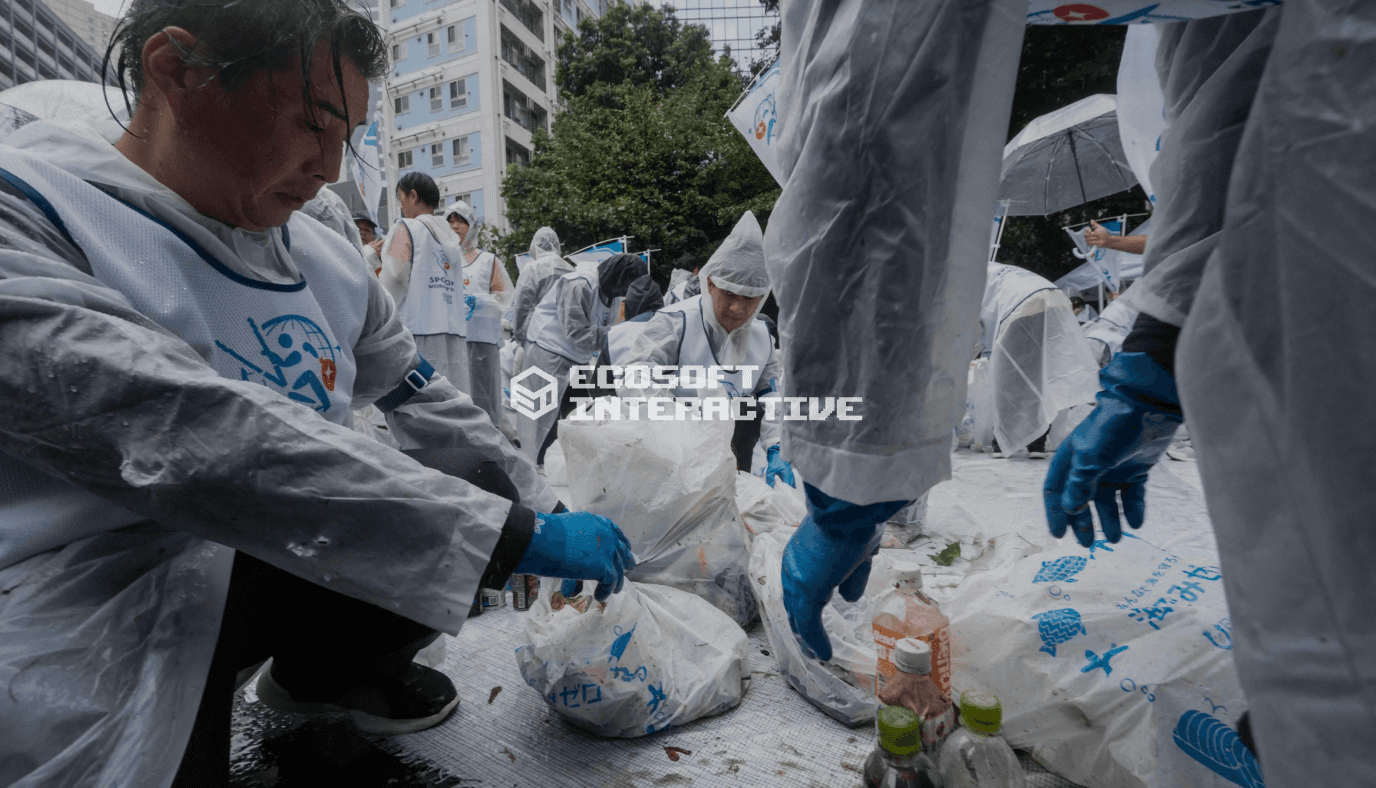
Since launching in 2008, the trash picking World Cup movement has spread to over 30 countries and claims to have collected more than 193,120 kilograms of waste from streets worldwide.
Tokyo just hosted a trash picking World Cup where athletes compete with trash bags and tongs instead of balls and bats. The Spogomi World Cup brought 33 teams from around the world to race against each other, picking up litter in the streets of Shibuya. Japan won the competition by collecting 75.76 kilograms of garbage and scoring 7,210 points over two 45-minute rounds.
The event turned cleaning up trash into an actual sport with rules, points, and serious competition. Teams of three people search designated areas for litter, then sort it by type to earn different point values based on weight.
Spogomi mixes the Japanese word for trash, “gomi,” with “sport.” The scoring system rewards specific types of garbage differently. Regular burnable and non-burnable trash earns 10 points per 100 grams. Glass bottles and aluminum cans get 12 points. PET plastic bottles are worth 25 points. Cigarette butts are the jackpot at 125 points per 100 grams because they’re so harmful to the environment, but weigh almost nothing.
Germany came in second place with 75.56 kilograms and 6,213.5 points. Morocco grabbed third with 79.89 kilograms but only 6,070.3 points, showing that strategy matters as much as volume. Picking the right types of trash cans beats adding more weight if you’re not smart about it.
The trash picking World Cup is harder than it sounds. Competitors jog for hours while bending down constantly to grab tiny pieces of trash. Tokyo is already one of the cleanest cities on Earth, making it incredibly difficult to find litter. You need detective skills to spot a bottle cap hiding in a gutter or wedged behind a vending machine.
The sport has spread to more than 30 countries since it started. Qualifying tournaments happen worldwide, and the movement claims to have collected over 193,120 kilograms of trash from streets globally. The trash picking World Cup format launched in 2023 as the championship level of competition.
Felix Malmberg competed with Sweden’s “The Firm Potatoes” team, which placed 26th. His team met on a Discord server for manga and anime fans, then decided to try Spogomi at a convention in 2023. They placed second in Sweden’s qualifying round, which earned them a trip to Tokyo.
Malmberg says his team found very little trash in the first round because Tokyo is so clean. Most of what they collected was hidden under vending machines. In the second round, they discovered torn plastic bags near a garbage collection point, including one full of locks and keys that added decent weight to their haul.
The competition addresses a real problem. Around 8 million tons of plastic waste enter the oceans every year, and about 80% of it comes from cities. Cigarette butts, plastic bags, and PET bottles, all common Spogomi finds, are major sources of marine pollution. The Nippon Foundation funds and organizes the event as a form of activism that’s actually fun to participate in.
The competition day started at 9:30 a.m. with an opening ceremony featuring Olympic and Paralympic athletes as ambassadors. Teams got three minutes to discuss strategy before learning which area they’d be cleaning. Then they scattered into the streets with their equipment while curious passersby watched them search gutters and peer behind buildings.
The closing ceremony mixed celebration with spectacle. Cosplayers in bright wigs and capes escorted the winning teams while the Japanese national anthem played. Athletes from 33 countries stood together, proving that even something as unglamorous as trash can bring the world together.
This might sound like a quirky Japanese competition, but it’s catching on because it works. Making cleanup into a game with teams, points, and international competition transforms a boring chore into something people actually want to do. And every cigarette butt or plastic bottle picked up in Tokyo is one less piece of garbage heading toward the ocean.
Comments