World
News
By
Sean Beck
Dec 24, 2025
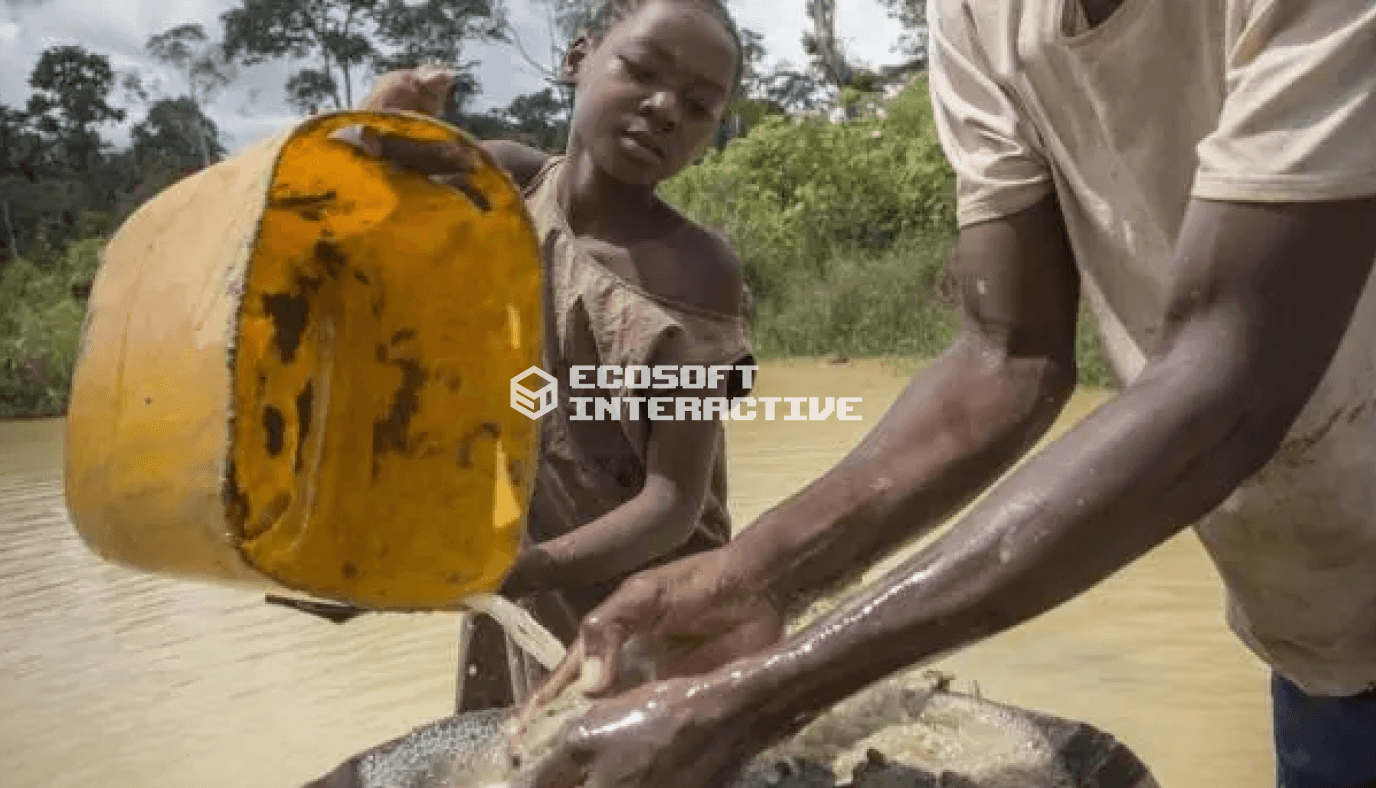
Regeneration creates jewelry from abandoned mines by extracting gold from toxic waste sites across the Yukon, BC and Alaska while restoring salmon habitat.
A Washington-based company called Regeneration is cleaning up abandoned mine sites across the Yukon, British Columbia and Alaska by extracting valuable metals from toxic waste. The kicker? They’re making money creating jewelry from abandoned mines by selling recovered gold to Apple, Tiffany and Co., and Canadian jewelry maker Mejuri.
The project tackles a massive problem that typically falls on taxpayers to fix. Abandoned mines litter Canada, leaking pollutants into waterways and groundwater for decades after operations shut down.
Living in Montreal, I’ve heard plenty about mining’s environmental legacy in Canada. But this approach feels different. Instead of just covering up the mess or treating contaminated water forever, Regeneration actually removes the toxic waste while recovering metals that were left behind.
The company focuses on sites in the North where decades of placer mining left huge piles of sediment and waste rock choking streams and rivers. Placer mining involves sifting through riverbeds and banks for gold, leaving a landscape that looks like it’s been through a war.
CEO Stephen D’Esposito started the project over a decade ago with a simple pitch to major companies. He asked if they’d buy gold recovered from century-old mine sites and help fund stream restoration. Both Tiffany and Apple said yes, creating a market for jewelry from abandoned mines.
The goal goes beyond just extracting leftover gold from waste piles. Regeneration reforms streams and replants vegetation to make the waters livable again for salmon and grayling. According to Carly Vynne, a biologist and chief restoration officer at the company, the results come quickly. Sometimes anadromous fish return to restored sites within days.
Companies like Mejuri see producing jewelry from abandoned mines as a way to hit their climate and sustainability targets while appealing to customers who care about ethical sourcing. Holly McHugh, vice-president of sustainability and social impact with Mejuri, says customers increasingly want to know their jewelry was made responsibly.
The project requires refineries willing to process small batches of gold separately from other sources. This ensures jewelry from abandoned mines stays fully traceable back to specific restoration sites in the Yukon and Alaska. Mejuri released its first “Salmon Gold” jewelry line last year, with a new collection that launched on October 13.
What started as a non-profit effort from NGO Resolve became the startup company Regeneration in 2021. The shift allowed for more ambitious expansion plans across Canada and Alaska.
The problem they’re tackling is enormous. Abandoned, polluting mines exist across Canada, and cleanup typically costs taxpayers millions. D’Esposito points out that the mining industry isn’t designed to handle its own waste problem. It’s built to open new mines and move on.
Many old sites contain significant amounts of tailings, which are filled with metals and pollutants that contaminate groundwater and threaten nearby communities. Regeneration operates on the idea that financial opportunity exists in that waste. Cleanup could actually turn a profit rather than drain public funds.
But D’Esposito admits the company still has a lot to prove. The mining industry has established financial models for new exploration projects, but no accepted market mechanism exists for proving what’s valuable in old tailings piles. Mining waste isn’t considered the industry’s business.
Regeneration returns to old sites with newer technology and equipment that didn’t exist when the mines first operated. They re-mine the toxic waste to both clean it up and recover valuable metals that were missed or ignored decades ago.
Hydrogeologist Olenka Forde explains that many tailings and waste rock piles contain critical minerals nobody paid attention to in the 1950s. The technology to extract those minerals didn’t exist back then either.
Forde notes that contemporary remediation often focuses narrowly on water quality. Landscaping and ecological function become afterthoughts. The opportunity here is to actually move and reprocess the waste, rather than just treating the water and covering everything up like a band-aid.
The company has been working in Hedley, British Columbia, to clean up tailings. They’re also in active discussions with First Nations and the federal government about projects in the Yukon.
Sebastian Jones with the Yukon Conservation Society says questions remain about whether remediated sites will stay that way. Placer mining often sees new miners returning to work the same spots repeatedly over time. But he calls the approach refreshing and precisely the kind of creative thinking that drives real change on century-old problems.
The concept of creating jewelry from abandoned mines goes beyond clever marketing. It fundamentally challenges how we think about industrial waste and environmental responsibility. Making cleanup profitable instead of treating it as a taxpayer burden could transform remediation across Canada’s thousands of contaminated sites. If Regeneration can prove this model works at scale, we might finally see meaningful progress on a problem that’s poisoned our waterways for generations. The real test will be whether other companies follow this lead and turn environmental liabilities into assets worth recovering.
Comments