Nature
News
World
By
Sean Beck
Dec 7, 2025
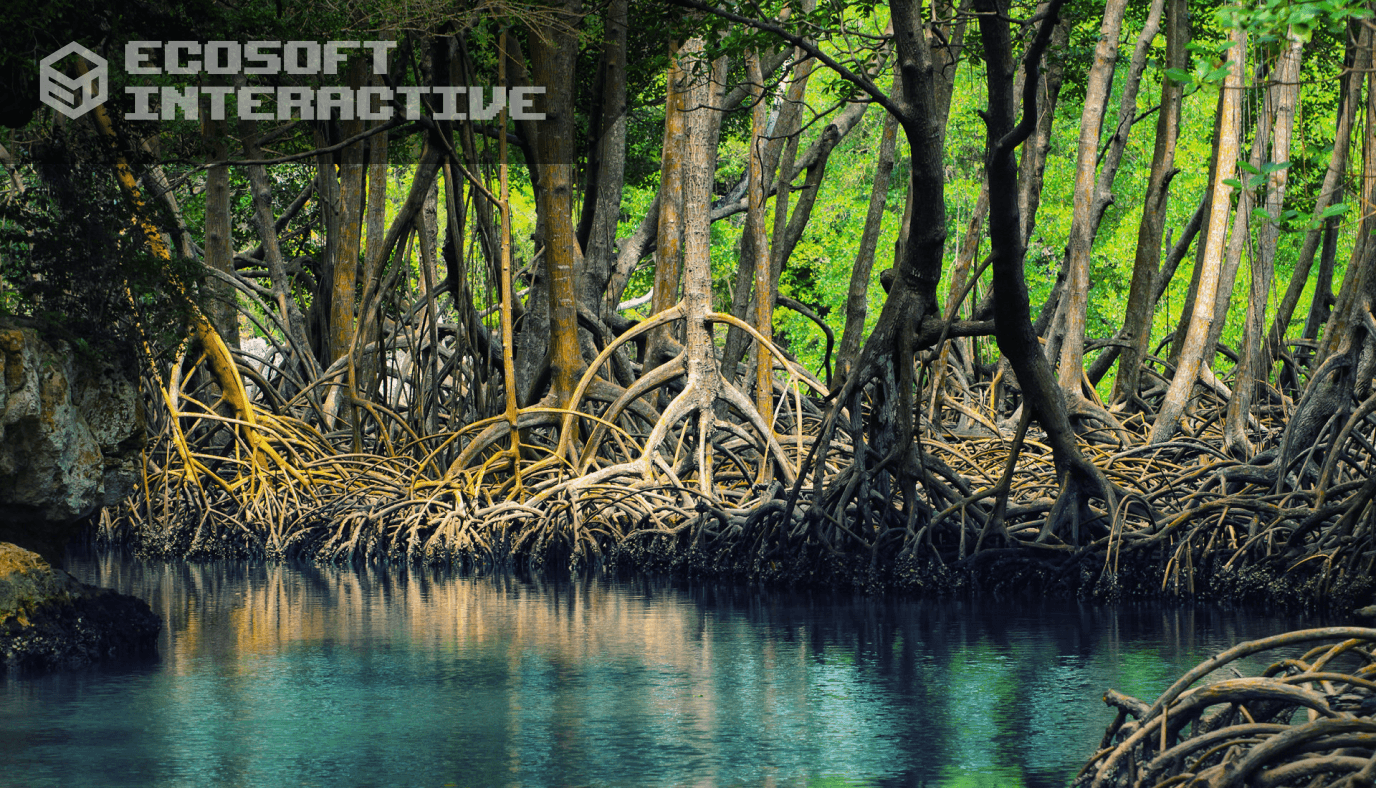
Efforts to save coastal ecosystems have once again shown encouraging results. In a coastal area that has suffered from severe erosion for years, mangrove forests are now recovering thanks to collaboration between local residents, young volunteers, and environmental organizations. This initiative is not only restoring the natural balance but also opening up new economic opportunities for coastal communities.
Severe Abrasion Triggers Joint Action
In the past decade, the region has lost more than half of its mangrove cover due to logging, waste, and sea-level rise. Residents' homes are threatened, fish ponds are damaged, and fishermen are struggling to catch fish.
This situation prompted the local community to form the "Jaga Pesisir Kita" movement, inviting young volunteers from various regions to participate in mangrove rehabilitation. Within two years, this movement evolved into an integrated conservation program supported by non-governmental organizations and local governments.
Planting 30 Thousand Mangrove Seedlings
The rehabilitation program began with the planting of Rhizophora and Avicennia mangrove seedlings, two species known to be most effective at preventing abrasion. Over the past two years, more than 30,000 seedlings have been planted along the coastline and rivers.
Young volunteers regularly walk along the coast to check seedlings, remove damaged ones, and clean the area of plastic waste that hinders plant growth.
"We don't just plant and leave. We make sure every seedling grows. Mangroves aren't just about planting trees; they're about saving the future of our village," said one volunteer.
The Ecosystem Begins to Come Back to Life
The results are starting to show. Areas that were previously barren and eroded by waves are now filled with young mangrove trees, one to two meters tall. Biodiversity is also increasing—coastal birds are migrating again, mangrove crabs are growing in abundance, and small fish are using mangrove roots for shelter.
According to the results of a biological survey conducted with environmental organizations, the planting success rate reached more than 70 percent, a figure that is considered very good for a coastal rehabilitation area.
Economic Benefits for Citizens
In addition to improving the environment, the recovering mangrove forests have brought new economic opportunities. Residents are now developing:
Mangrove ecotourism in the form of tracking trails and educational boat trips
Local processed products such as mangrove syrup and mangrove crackers
Tour guide training for village youth
The increase in the number of visitors provides additional income for families in the area.
Comments