Nature
World
News
Updates
By
Sean Beck
Jan 20, 2026
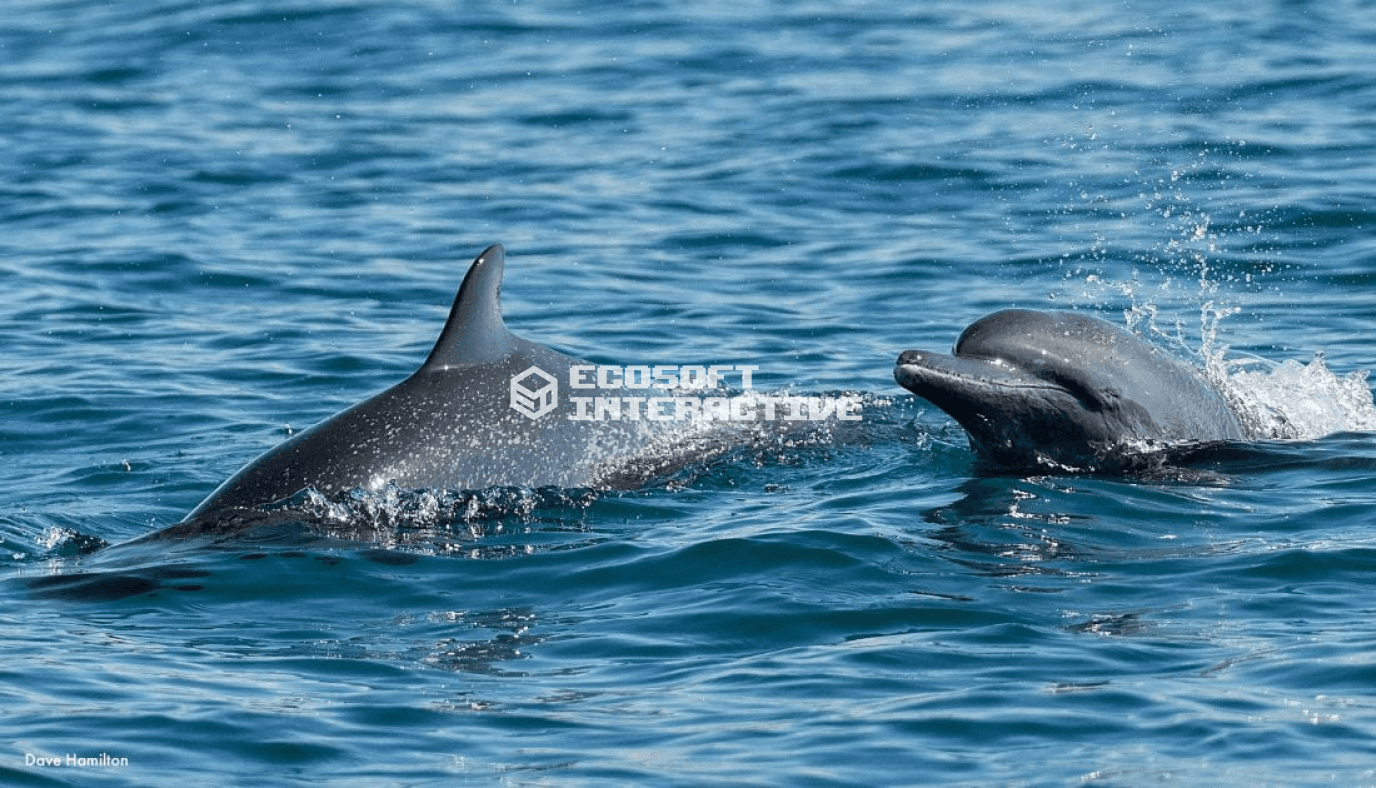
The new Mexico dolphin show ban creates opportunities for ethical wildlife tourism alternatives, offering meaningful wildlife experiences to travelers.
Mexico’s Congress just made history for marine animals. In June 2025, lawmakers passed a complete ban on using dolphins in shows, therapy sessions, and any form of entertainment across the entire country.
Both the Senate and the Chamber of Deputies voted to approve the new law. It stops dolphin breeding in captivity and prohibits using these intelligent animals for research unless it’s directly related to conservation efforts. For anyone who’s ever felt uncomfortable watching dolphins jump through hoops at a resort, this is a massive win.
This victory comes just weeks after a controversial dolphin facility in Riviera Maya shut down its shows. Public anger and pressure from animal rights groups finally forced the venue to stop exploiting these animals for profit.
The reality behind those “cute” dolphin shows is pretty dark. Captive dolphins deal with constant stress, develop weird repetitive behaviors, and get sick from being confined to tiny spaces. Think about it. Wild dolphins swim up to 60 miles a day in the ocean. Now imagine them being stuck in a pool the size of a parking lot for their entire life.
Scientists have been sounding the alarm about this for years. In 2022, over 100 researchers publicly spoke out against keeping dolphins in captivity. They documented the psychological damage and physical harm these animals suffer when they’re used as props for tourist selfies and entertainment.
Mexico now joins Costa Rica and Chile as one of only three Latin American countries to ban dolphin shows and captive breeding. That’s progress, but it also shows how much work is left to do across the region.
The situation in Europe shows the same mixed results. Spain banned wild animals from circuses but still allows dolphinariums to operate. Earlier last year, activists protested outside the Oceanogràfic marine park in Valencia, demanding freedom for captive dolphins.
The tourism industry has been exploiting dolphins for decades because people pay good money to see them perform tricks. What most visitors don’t realize is that these animals are trained through food deprivation and isolation. They learn to do unnatural behaviors because they’re hungry, not because they’re having fun.
Wild dolphins are curious and intelligent. They live in complex social groups, communicate with unique whistles, and can recognize themselves in mirrors. Forcing them to live in isolation and perform repetitive tricks is basically torture for an animal with that level of awareness.
The good news is that people can still see dolphins without supporting cruelty. Responsible wildlife tourism lets you watch these animals in their natural habitat without causing harm. It actually helps protect ocean ecosystems instead of destroying them.
Organizations like World Animal Protection promote Wildlife Heritage Areas and Whale Heritage Sites. These designated zones protect marine life while giving people incredible opportunities to see dolphins, whales, and other animals living free.
Tour operators that prioritize animal welfare don’t allow touching, feeding, or swimming with captive dolphins. Instead, they take small groups on boats to observe marine mammals from a respectful distance. These experiences are more authentic and don’t fund the captive animal industry.
The economic argument for keeping dolphins in tanks is getting weaker, too. As more people learn about the cruelty involved, they’re choosing to spend their money on ethical alternatives. Travel companies are starting to notice and drop partnerships with facilities that exploit animals.
The Mexico dolphin show ban sends a clear message that using intelligent, social animals for entertainment is no longer acceptable. The law recognizes that dolphins deserve better than living their entire lives in chlorinated pools while tourists take photos.
But the fight isn’t over. Thousands of dolphins remain trapped in facilities worldwide. Spain, the United States, China, and many other countries still allow these cruel attractions to operate. Every dolphin show ticket sold funds an industry built on animal suffering.
World Animal Protection and other groups are continuing their global campaign to end dolphin captivity everywhere. They’re calling on governments to follow Mexico’s lead and pass similar bans.
For anyone planning a vacation to Mexico, this law means you won’t be able to buy tickets to dolphin shows anymore. That might disappoint some people at first. But it also means your tourism dollars won’t be funding animal cruelty.
The dolphins currently in Mexican facilities will spend the rest of their lives in captivity. That’s the sad reality. But at least no new dolphins will be bred into that same miserable existence. No more baby dolphins will be torn from their mothers and forced to perform for crowds.
The Mexico dolphin show ban represents a cultural shift in how we think about using animals for entertainment. Mexico recognized that temporary amusement for tourists doesn’t justify a lifetime of suffering for intelligent, feeling beings.
The law also reflects growing scientific understanding of dolphin cognition and welfare. We know more than ever about how these animals think, feel, and suffer in captivity. Ignoring that evidence is no longer an option.
Young people, especially, are demanding change. Gen Z and millennials care more about ethical tourism than previous generations. They’re less likely to support attractions that exploit animals and more willing to choose responsible alternatives.
The Mexico dolphin show ban is part of a larger movement toward compassionate tourism worldwide. More countries are questioning whether keeping wild animals in captivity for entertainment is ethical. The answer increasingly seems to be no.
Comments