World
News
Updates
By
Sean Beck
Feb 10, 2026
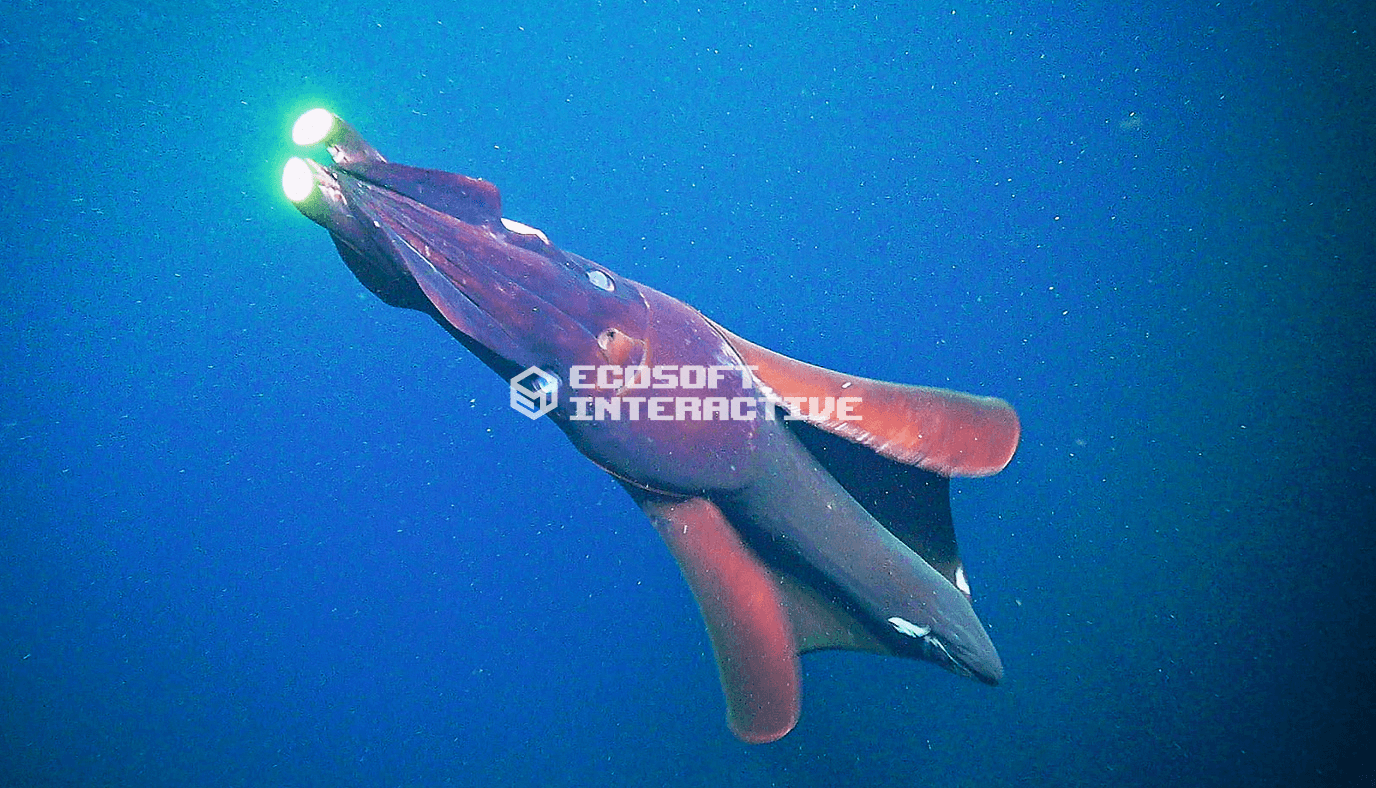
The ocean twilight zone, or the mesopelagic zone, which extends from 200 to 1,000 meters below the surface, gains international protection as conservation leaders recognize its critical role in climate regulation and marine food webs.
The ocean twilight zone received a significant conservation boost in October 2025. The International Union for Conservation of Nature (IUCN) voted to pass Motion 035 at its World Conservation Congress in Abu Dhabi. The decision calls for a precautionary pause on fishing expansion and industrial activity in this vital ecosystem.
Scientists also call the mesopelagic zone the ocean twilight zone because sunlight barely penetrates these depths. This layer comprises only 20% of ocean volume. Yet it hosts an estimated 50-90% of the planet’s fish biomass.
The zone plays a crucial role in Earth’s carbon cycle. Many mesopelagic species migrate daily from deep waters to the surface to feed. They return to depth carrying carbon absorbed from surface waters. This biological carbon pump moves an estimated two to six gigatons of carbon annually from the atmosphere to deep ocean storage.
That carbon transfer equals double the emissions produced by cars worldwide each year. About 90% of carbon reaching the zone remains there as organic matter. The rest sinks deeper, where it stays locked away for hundreds or thousands of years.
The daily migration of mesopelagic organisms forms the largest animal migration on the planet. Lanternfish, bristlemouths, hatchetfish, and other small species make this vertical journey each night. They feed in surface waters under darkness. Dawn sends them back to deeper zones where predators struggle to find them.
Commercial fishing interests have grown increasingly focused on the ocean twilight zone. Current stocks of pelagic fish like anchoveta and lanternfish face pressure from overfishing and climate change. These fish species provide critical inputs for fishmeal, fish oil production, and health supplements due to their high concentrations of omega-3 fatty acids. Declining catches push industry attention toward previously unexploited mesopelagic species.
However, extracting these species could undermine ecosystem health. Tunas, swordfish, sharks, and marine mammals depend on mesopelagic fish for food. Removing large quantities would ripple through the marine food webs. It would also disrupt the biological carbon pump that helps stabilize the climate.
The mesopelagic zone already experiences climate change impacts. Warming water temperatures affect species distributions. Deoxygenation reduces habitable zones as oxygen levels decline. These stresses compound threats from potential industrial exploitation.
Deep-sea mining poses additional risks. Toxic sediment plumes released into the zone could harm organisms adapted to stable conditions. Marine carbon dioxide removal approaches also raise concerns. Techniques aiming to enhance ocean alkalinity or stimulate biological productivity remain critically understudied.
The IUCN motion addresses these mounting pressures. It urges members to implement a precautionary pause on mesopelagic fishing expansion. The pause continues until scientists better understand zone structure and function. It also requires rules preventing unregulated or unassessed fisheries.
Ocean industries, including fishing, mining, and geoengineering, must demonstrate no adverse impacts to the ocean twilight zone before proceeding. The motion also mandates transparent reporting of any catch and bycatch levels from mesopelagic fishing operations.
Conservation measures include establishing marine protected areas that preserve mesopelagic community functions. The motion promotes collaborative research and strategic environmental assessments. It values diverse forms of knowledge, including indigenous and local ecological understanding.
The decision follows recent ocean conservation victories. The High Seas Treaty, adopted in 2023, provides a framework for protecting biodiversity beyond national jurisdiction. That agreement will enter into force soon and will help govern activities in international waters, including the mesopelagic zone.
Multiple international legal frameworks support the ocean twilight zone. The United Nations Convention on the Law of the Sea establishes obligations to protect marine environments. The Fish Stocks Agreement requires precautionary approaches and impact assessments. The Port State Measures Agreement helps prevent illegal fishing.
The World Trade Organization recently banned subsidies for unmanaged high seas fisheries. This policy change removes financial incentives that encourage unsustainable exploitation. Combined with the IUCN motion, these measures strengthen protection for vulnerable marine ecosystems.
The protection of the ocean twilight zone supports multiple United Nations Sustainable Development Goals. Goal 2 addresses zero hunger through sustainable food systems. Goal 13 focuses on climate action. Goal 14 protects life below water. The zone contributes to all three simultaneously.
The motion’s passage demonstrates growing international recognition of ocean interconnections. What happens in the zone affects surface waters and the deep ocean alike. Species and processes in this middle layer connect ecosystems above and below.
Thirteen organizations co-sponsored the motion alongside the Marine Conservation Biology Institute. Supporters span conservation groups, scientific institutions, and international foundations. Geographic diversity among sponsors reflects global concern for the zone.
The precautionary pause creates an opportunity for essential research. Scientists need to map species distributions and understand population dynamics. They must quantify the zone’s role in carbon cycling. Research should assess how fishing or other activities would cascade through ecosystems.
Strategic environmental assessments can identify particularly sensitive areas. Some regions may prove more critical for carbon sequestration or biodiversity. Marine protected areas could safeguard these locations while allowing sustainable use elsewhere.
The ocean twilight zone presents unique governance challenges. It spans both national exclusive economic zones and international waters. Coordination among countries and regional fishery management organizations becomes essential. The IUCN motion encourages this collaborative approach.
Time remains to prevent potential damage before it occurs. The ocean twilight zone faces threats but has not yet suffered widespread industrial exploitation. Acting now positions humanity to protect rather than attempt restoration after harm.
Comments