World
Updates
News
By
Sean Beck
Jan 4, 2026
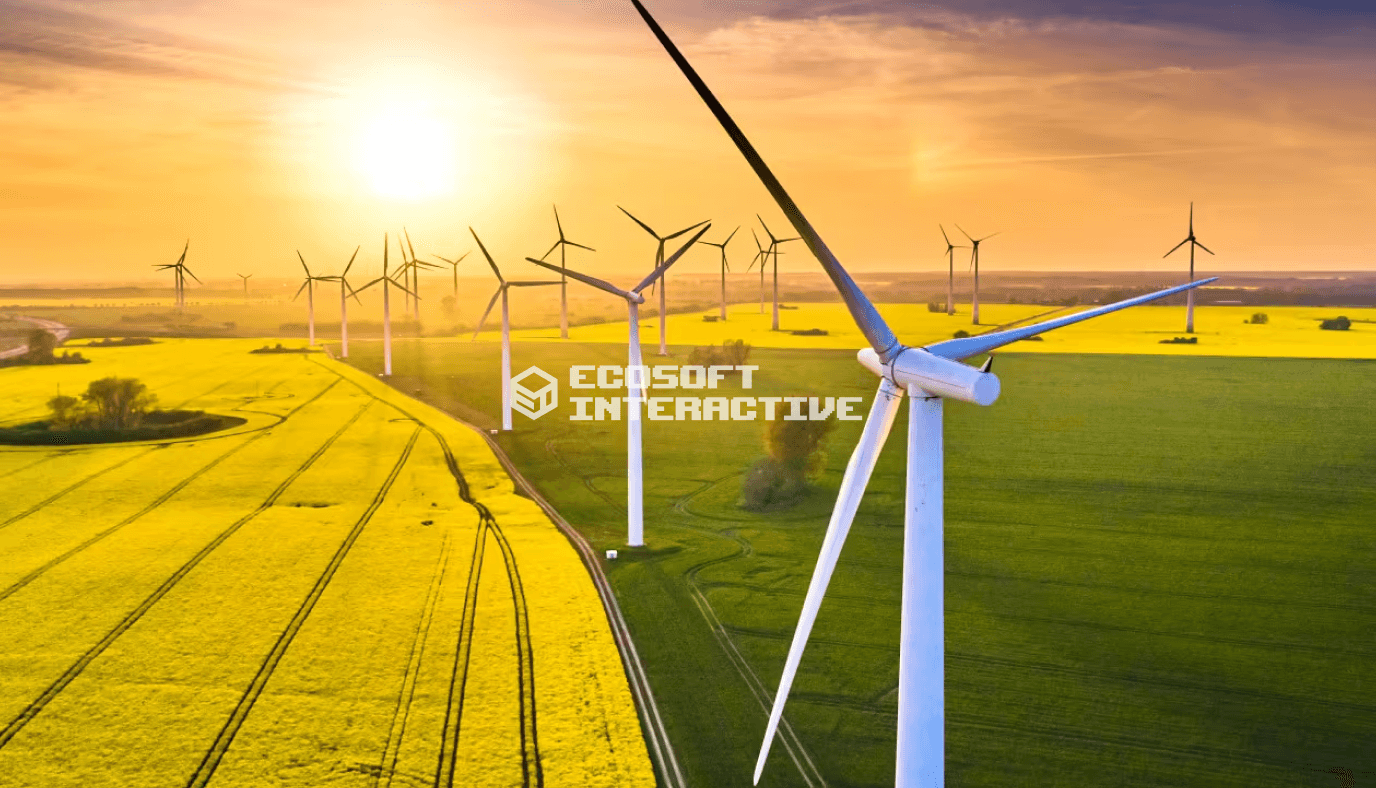
Renewable energy benefits the economy by helping more than 100 nations save $1.3 trillion on fossil fuel imports since 2010 through wind and solar investments.
Renewable energy benefits the economy by helping more than 100 nations save $1.3 trillion on fossil fuel imports since 2010 through wind and solar investments.
Renewable energy benefits the economy through reduced dependence on imported fuels. A recent analysis by the International Energy Agency (IEA) reveals clear financial benefits for countries that have invested in wind, solar, and other clean power sources over the past decade.
Nations avoided importing 700 million tonnes of coal and 400 billion cubic meters of natural gas by building renewable capacity. These savings proved especially valuable during the recent energy crisis when prices surged.
In 2022 alone, countries prevented import bills from being over $500 billion higher thanks to their renewable installations. This represents more money than the gross domestic product of many mid-sized economies.
The IEA examined 107 countries that reduced their reliance on imported fossil fuels for electricity generation. These nations generated approximately 2,500 gigawatts of wind, solar, and other renewable energy sources between 2010 and 2023.
The United Kingdom, Germany, and Chile reduced their need for imported coal and gas by around one-third since 2010. Denmark cut its reliance on fossil fuel imports by nearly half during this period.
Germany offers a compelling case study. In 2024, renewables accounted for 59% of the country’s electricity production. Wind power remained the nation’s primary electricity producer, accounting for nearly 32% of the total.
Britain followed a similar path. Oil, gas, and coal collectively produced 29% of the UK’s electricity in 2024, while renewables accounted for 45%. Britain’s last coal-fired power station closed in October 2024.
Bulgaria, Romania, and Finland have reduced their reliance on imports to near zero in recent years. These countries historically depended on Russian gas for electricity generation. Building renewable capacity protected them when supplies became unreliable.
Beyond import savings, renewable energy benefits the economy through price stability. Fossil fuel prices swing wildly based on geopolitical tensions and supply disruptions. Russia’s invasion of Ukraine raised global fossil fuel prices by triple or more.
United States natural gas prices doubled between 2024 and 2026, according to federal projections. In 2022, natural gas price volatility peaked at 171% in February, the highest level since at least 1994.
Renewable energy costs move in the opposite direction. With global cost declines of 2.5-4 times over the past decade and nine times for battery storage, clean energy systems become increasingly affordable.
Research simulating European power markets found that deploying solar and wind beyond 2030 targets would reduce electricity price sensitivity to natural gas fluctuations from €1.40 to below €0.50.
Solar power is expected to account for nearly 80% of renewable capacity growth through 2030. India emerges as the second-largest growth market after China.
The IEA projects global renewable capacity will increase by 4,600 gigawatts by 2030. This expansion matches the entire combined power capacity of China, the European Union, and Japan.
The renewable energy sector now employs millions worldwide. Global employment reached 16.2 million people by 2023. United States clean energy employment reached 3.5 million workers by late 2024.
The transition requires supporting workers who have built careers in traditional energy sectors. The IEA analysis found that half of the workers at risk of layoffs in fossil fuel sectors have skills that can be applied to clean energy sectors.
The United States Economic Development Administration invested $1.8 million to build a renewable energy workforce training center in Montana, targeting tribal members and displaced coal workers. The program provides necessary training for new jobs while diversifying the local economy.
Not all displaced energy workers opt for jobs in the renewable sector. Successful transition programs allow individuals to choose paths that make sense for their unique situations.
More than 80% of countries worldwide expect renewable power capacity to grow faster between 2025 and 2030 than in the previous five years. Both developed and developing nations are accelerating deployment.
The trillion-dollar savings over the past decade represent just the beginning of a significant trend. Each year adds to accumulated benefits while reducing exposure to price volatility.
Evidence shows that renewable energy benefits the economy through multiple mechanisms that work together. Import savings provide immediate financial relief, while price stability protects consumers and industries from market volatility. Job creation supports economic growth across regions.
Comments