World
News
Updates
By
Sean Beck
Jan 4, 2026
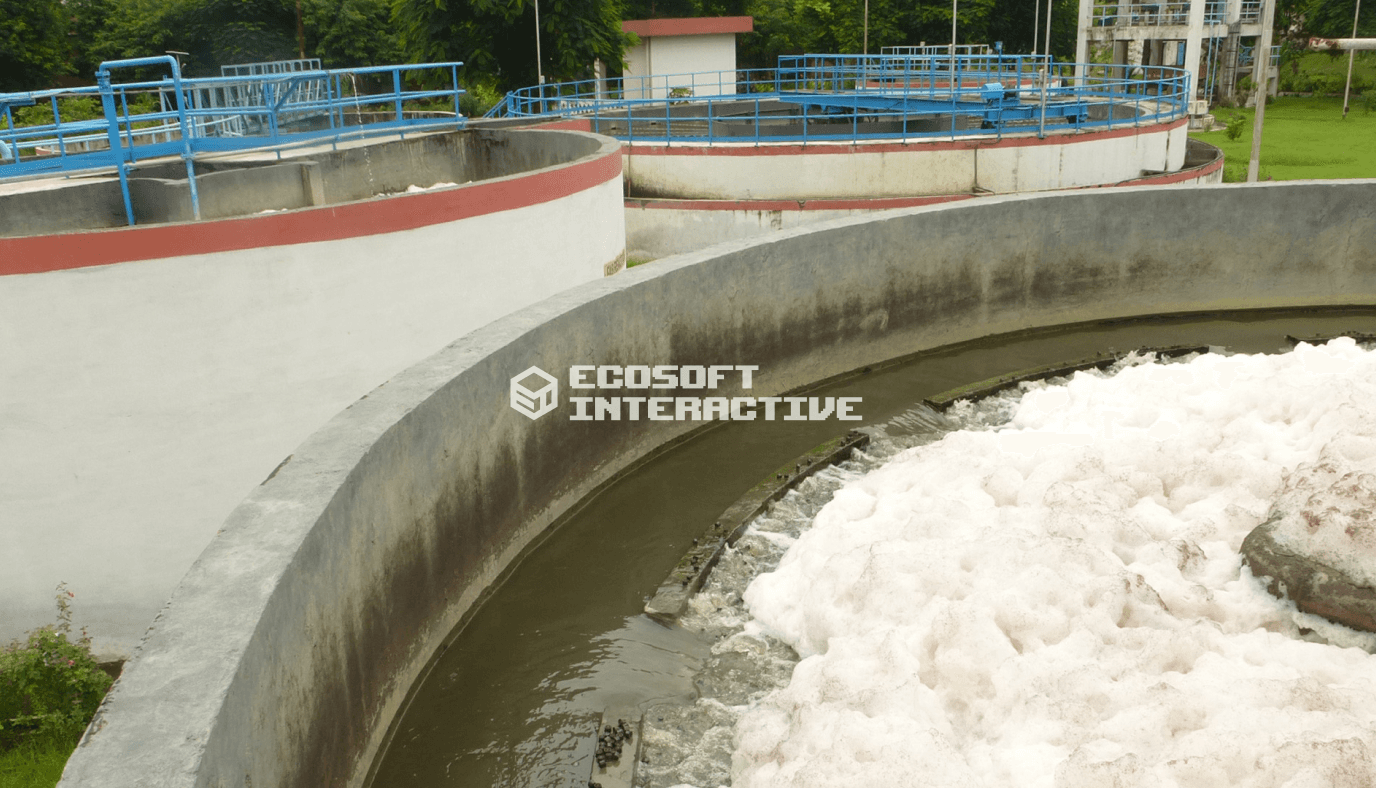
Researchers produce clean hydrogen from dirty water by adding acid to treated wastewater, cutting water treatment costs by 47% and eliminating the need for expensive purification processes.
Princeton University scientists have discovered a practical way to generate clean hydrogen from contaminated water, rather than ultrapure water. The breakthrough could make hydrogen fuel more affordable and sustainable for industries like steel production and fertilizer manufacturing. The research team published their findings in the journal Water Research in September 2025.
Current hydrogen production through electrolysis requires large amounts of ultrapure water. Creating this water involves expensive treatment processes like reverse osmosis that remove impurities from tap water or groundwater. These purification steps increase costs and strain local freshwater supplies.
Every town has a wastewater treatment plant that produces reclaimed water suitable for irrigation or industrial cooling. This treated wastewater exists as a distributed water source that could power hydrogen production. But previous attempts to use reclaimed water for producing clean hydrogen from dirty water have failed after short periods of operation.
Lin Du, a doctoral student in Ren’s laboratory, tested a proton exchange membrane electrolyzer using both ultrapure water and reclaimed wastewater. This device splits water into hydrogen and oxygen gas by passing an electric current through it.
The electrolyzer contains a specialized membrane that allows positively charged hydrogen ions to move from one electrode to another. These ions combine with electrons to form hydrogen gas. The membrane must remain porous for ions to pass through it. Du found that reclaimed water caused a rapid decline in performance, while ultrapure water kept the system running smoothly.
Advanced microscopic imaging revealed the problem. Calcium and magnesium ions in reclaimed water stuck to the membrane surface. These minerals cause the same scale buildup that blocks household faucets and kettles. The ions transformed the porous membrane into a solid barrier, preventing hydrogen production.
The research team developed a simple solution for producing clean hydrogen from dirty water. They added sulfuric acid to the reclaimed wastewater. This acidification created an acidic environment with abundant hydrogen ions that outcompete calcium and magnesium. The extra hydrogen ions maintained conductivity and sustained the electrical current needed for continuous hydrogen production.
The cost benefits prove substantial. Using reclaimed wastewater instead of purified water reduces water treatment costs by approximately 47%. Energy costs for water treatment drop by about 62%. The acid gets recycled within the system, so it never leaves the equipment. This closed-loop design matters for both environmental protection and cost control.
Hydrogen offers promise as a clean energy fuel when produced using renewable electricity. This green hydrogen creates much lower carbon emissions compared to other production methods. Most hydrogen currently made in the United States comes from natural gas through a process that releases carbon dioxide. Some of this carbon gets captured and stored underground, creating what is called blue hydrogen.
Green hydrogen relies on electricity from renewable sources like wind or solar power to split water molecules. The process produces only hydrogen gas and oxygen as outputs. But requiring ultrapure water has limited where green hydrogen production can occur. The clean hydrogen from dirty water approach removes this constraint.
Industries that are difficult to electrify could benefit significantly from affordable green hydrogen. Steel production requires intense heat that batteries cannot practically provide. Fertilizer manufacturing needs hydrogen as a chemical feedstock. Cargo ships and aircraft require fuel sources with energy density higher than current battery technology can offer. Green hydrogen addresses these applications when production costs decrease.
The research team calculated that conventional freshwater-based electrolysis systems require approximately 18 tons of raw water to produce one ton of hydrogen. About nine tons of ultrapure water must be extracted from this raw water through treatment processes. Using reclaimed wastewater eliminates these purification steps while tapping into an abundant local resource.
The research demonstrates the practical feasibility of using reclaimed water for electrolysis to produce clean hydrogen from dirty water. Wastewater facilities could contribute to broader clean energy transitions by generating hydrogen fuel alongside their existing water treatment operations. This dual function maximizes the value of infrastructure investments.
The team now works with industry partners to test the method at larger scales. They also investigate whether pretreated seawater can serve as an alternative water source for hydrogen production. Seawater represents an abundant resource that does not compete with freshwater supplies. But seawater contains salt that creates different challenges for electrolyzer operation.
The clean hydrogen from dirty water breakthrough addresses sustainable water sourcing, which remains a critical bottleneck for scaling up hydrogen production. Competition for freshwater resources intensifies as populations grow and climate change affects water availability. Finding alternative water sources becomes essential for expanding hydrogen as an energy carrier.
Reducing costs by nearly half makes green hydrogen more competitive with fossil fuel alternatives. Price parity matters for industrial adoption of cleaner energy sources. Companies make decisions based on economics alongside environmental considerations. Lower costs accelerate the transition to sustainable practices.
The research represents progress toward making hydrogen a practical decarbonization pathway. Industries that cannot easily switch to battery power need alternative clean energy options. Hydrogen produced from renewable electricity using abundant wastewater sources fits this need while avoiding competition for drinking water supplies.
Comments