World
News
Updates
By
Sean Beck
Dec 22, 2025
Close Your Home’s Envelope and Save Energy With These Six Smart Strategies
Your home has an invisible force field called the building envelope. Think of this as the barrier between your home and the outside world — your roof, walls, windows, doors and foundation. Anything that separates the cozy inside from the elements of nature.
However, for most homes, this force field is full of holes, constantly leaking expensive heated and cooled air. Sealing these leaks is one of the most effective ways to slash your energy bills, boost your comfort, and, most importantly, reduce your home’s carbon footprint.
Below are six smart strategies for closing your home’s envelope to save you money, save the environment and increase your comfort.
Understand the Importance of Closing Your Home’s Envelope
However, before you grab a caulk gun and begin sealing your home, it’s essential to understand the benefits of sealing and why it matters. There are many benefits to sealing your home. First and foremost, it can slash your carbon footprint. A leaky home’s HVAC system works overtime, burning more fossil fuels. By air sealing and insulating, you can cut heating and cooling costs by an average of 15%, which directly translates to a smaller carbon footprint.
Sealing your envelope also reduces drafts, creates a quieter environment, and maintains more stable temperatures. It also blocks dust, pollen, and pests, improving indoor air quality. This is great for creating a home environment that is livable and comfortable, which is why only 29% of agents now say clients never ask about eco-friendly features, such as proper insulation. A well-sealed home also ensures its longevity by preventing moisture from entering your walls and attic, which helps prevent mold growth and protects the structural integrity of your home.
Hunt Down the Common Culprits
Another effective way to improve your home’s efficiency is to hunt down the common culprits. Things like air leaks are often overlooked yet can raise energy bills and make your home less comfortable.
Fortunately, air leaks tend to appear in predictable places. A thorough walk-through can help you spot problem areas. Start with the attic and basement, which are prime locations for leaks. Check around plumbing pipes, electrical wiring, the attic hatch, and at the rim joist. Even small gaps can allow significant air movement.
Next, inspect windows and doors. Examine frames and edges. If you see daylight, feel drafts, or find cracked weatherstripping or peeling caulk, there are likely air leaks. Finally, check spots where pipes, vents, or cables pass through exterior walls. Sealing these areas can boost comfort and efficiency.
3. Caulk and Weatherstrip Like a Pro
Many of the most significant air leaks in a home can be fixed with a simple trip to the hardware store and a bit of hands-on effort. Two materials do most of the heavy lifting here: caulk and weatherstripping. Used correctly, they can dramatically improve comfort and reduce energy waste without the need for major renovations.
Caulk is best for sealing stationary cracks and gaps that don’t move. Use it around window and door frames, along baseboards, and where trim meets the wall. Consider garages, for instance, which are a common source of air leaks that allow cooler air to escape and increase AC energy consumption.
It’s also effective for sealing small exterior gaps, but it’s essential to select the right product — exterior-grade caulk is specifically designed to withstand moisture, temperature fluctuations, and prolonged exposure to the elements.
Weatherstripping is designed for use with moving parts, such as doors and windows. When applied properly, it creates a tight seal when they’re closed, blocking drafts and preventing heat from escaping. Weatherstripping comes in several forms, including adhesive foam tape, rubber seals, and V-strips, making it easy to find an option that suits different gaps and surfaces.
4. Seal the Forgotten Leaks
But sealing the envelope doesn’t just stop at windows and doors. Another smart strategy for sealing your home is to examine the often-overlooked spots for easy wins for energy savings. Leaks from electrical components are often overlooked, for instance, but can have a significant impact on your electricity bill.
When it comes to electricals and saving energy, many think it’s all about the lighting. And while this is true, as LED lights use 75% less energy than traditional incandescent lighting, there’s actually more to it — and gaps around electrical components are often pesky sources of lost insulation. For example, on exterior walls, small gaps around electrical boxes can compromise the insulation of your home and increase your electricity bill.
5. Have a Professional Energy Audit of Your Home
While DIY efforts are fantastic, a professional can take your energy savings to the next level. This is because a trained and professional energy auditor uses tools like a blower door to depressurize your house, making it easier to detect and locate every single leak. They will provide you with a prioritized report detailing where your home is losing the most energy.
When hiring a professional, it’s important to check that they’re certified. Look for auditors certified by credible organizations, such as the Building Performance Institute (BPI) or the Residential Energy Services Network (RESNET). You should always request paperwork, and if it’s legitimate, auditors will be happy to provide you with their certifications.
6. Consider Advanced Solutions
For those committed to creating a truly high-performance, eco-friendly home, advanced solutions work great. There are many different types of tech on the market to ensure that you’re closing your home’s envelope and saving the most energy possible.
Take aeroBarrier technology, for example, which is a cutting-edge process that involves pressurizing the house and spraying a non-toxic, aerosol-based sealant into the air. The sealant is automatically drawn to every leak, sealing the entire home envelope in just a few hours.
Close Your Home’s Envelope Today
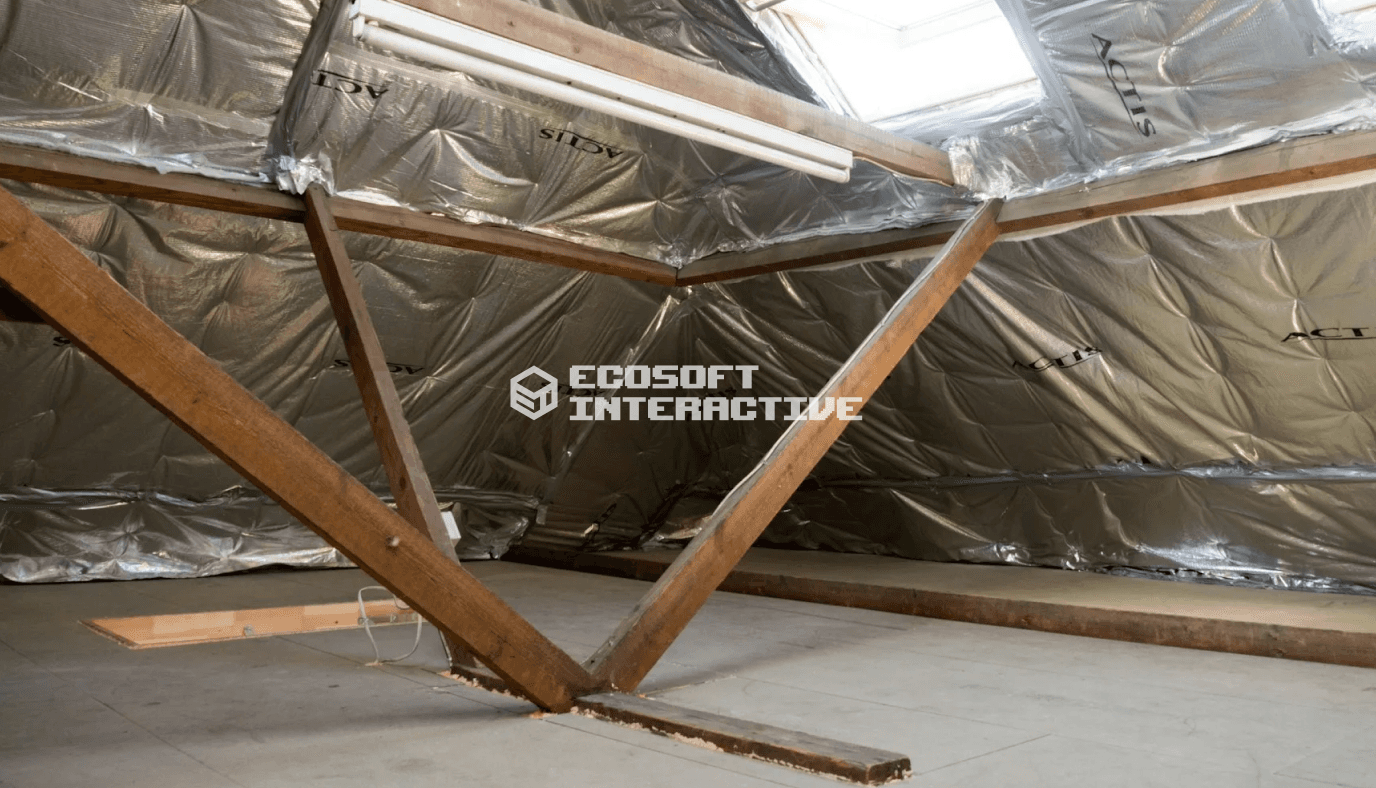
Likewise, while you can add insulation yourself, it may be worthwhile to hire a professional for the job. Professionals can use materials like dense-pack cellulose or spray foam to both insulate and air seal in one step, reaching areas that are inaccessible to the average homeowner.
Closing your home’s envelope and cutting down on your energy use bill may seem like an out-of-reach task — however, when approaching it strategically, it becomes easier. In a time when energy costs continue to increase, making small and smart changes at home can have a real and tangible impact.
By fixing air leaks, using caulk and weatherstrips effectively and utilizing professionals to audit and potentially install advanced solutions, you can not only reduce your bills but also lower your environmental footprint.
Comments