Nature
World
News
By
Sean Beck
Jan 1, 2026
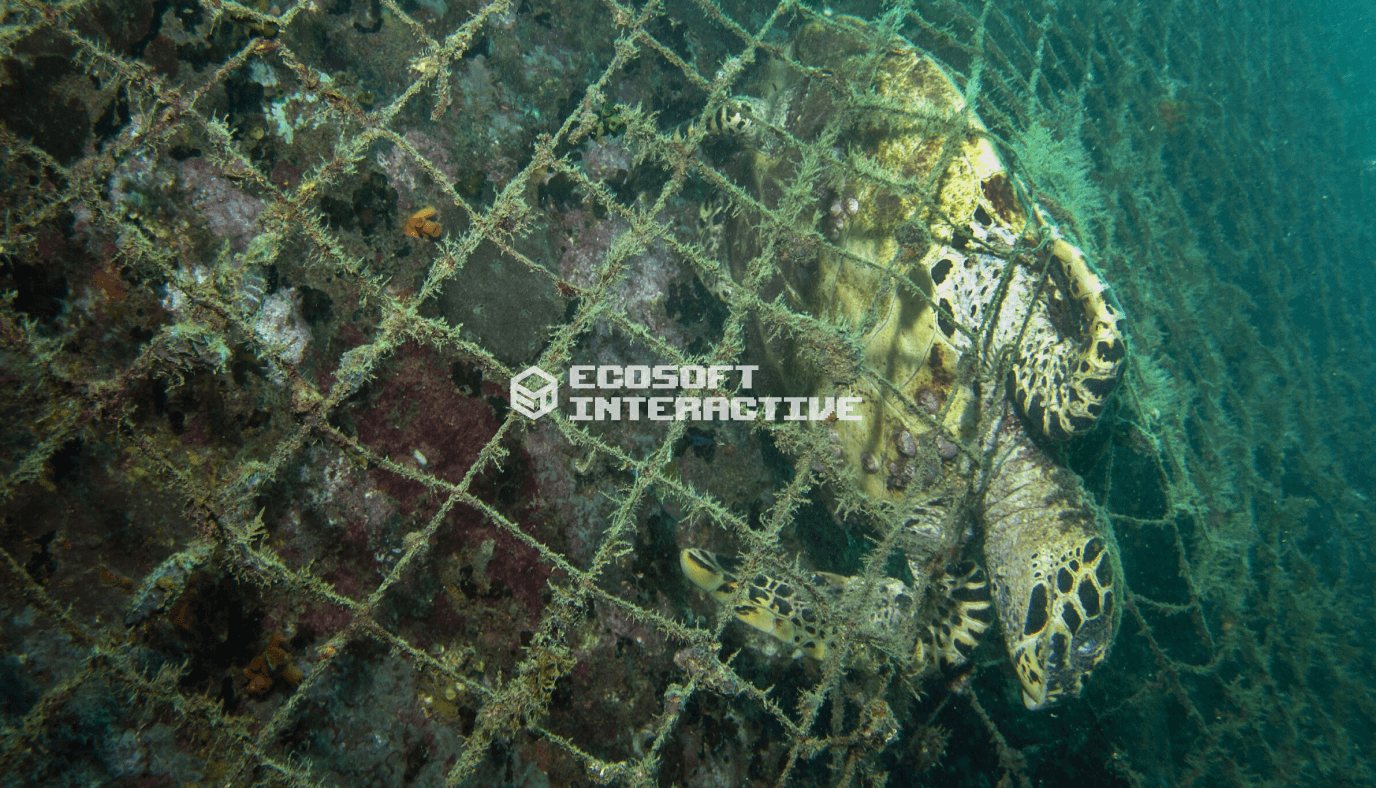
Solar-powered fishing nets equipped with LED buoys reduce sea turtle entanglement by 63% while maintaining target fish catches in controlled experiments off Mexico’s coast.
Researchers at Arizona State University developed solar-powered fishing nets through collaboration with gillnet fishers in Mexico’s Gulf of California. The innovation addresses longstanding barriers to adopting illuminated nets, including battery replacement costs, disposal concerns, and equipment weight. Controlled experiments showed 63% lower sea turtle bycatch compared to unlit nets while maintaining target fish catches.
The lights function as buoys threaded onto fishing net float lines. LED bulbs flash to conserve energy and stay active for more than five days without sunlight. This design integrates easily into existing fishing gear without requiring significant equipment modifications.
Previous studies showed illuminated nets reduce the bycatch of sea turtles and sharks. But battery-powered lights created adoption hurdles. Batteries have short lifespans and prove expensive to replace. The lights are heavy and prone to snagging nets.
Solar-powered fishing nets overcome these obstacles through fisher-led design. Juan Pablo Cuevas Amador and Felipe Cuevas Amador, gillnet fishers from Baja California, collaborated with researchers to develop practical solutions. The brothers contributed ideas about durability, weight, and ease of use.
Controlled experiments compared illuminated and unlit nets. Nets with solar powered fishing nets caught 17 sea turtles during testing. Unlit nets caught 50 turtles. The 63% reduction demonstrates significant bycatch prevention while target fish catches remained similar.
Yellowtail tuna represented the primary target species. Illuminated nets recorded higher yellowtail catches compared to control nets. Solar-powered fishing nets do not interfere with fishing success while reducing turtle captures.
Fishing gear entanglement ranks among the primary threats to endangered sea turtles. Along Mexico’s Pacific coast, at least 1,000 endangered Pacific loggerhead turtles perished in gillnets at a single fishing area in one year. Sea turtles help maintain seagrass bed health and coral reef function. They have existed for over 100 million years, fulfilling ecological roles no other species can replicate.
Jesse Senko, the marine biologist leading the research, recognized this response signaled practical success. The brothers continue fishing with illuminated nets. Senko prioritizes working with fishers to develop solutions that reduce harm to sea turtles, sharks, and other threatened species while maintaining productive fisheries. Conservation success depends on fisher acceptance and adoption.
Current prototypes cost more than commercially viable products will. The team incorporated fisherfolk feedback to develop next-generation lights that reduce costs by more than 50%. Improvements include size reductions of about 50%, more hydrodynamic shapes, activation on water contact, and fixed downward illumination.
Additional cost reductions will occur once production uses injection-molded casings and transfers to high-volume manufacturing. Commercial availability is expected within two to three years. Researchers are working with Fishtek Marine, a United Kingdom-based manufacturer, to produce solar-powered fishing nets for market distribution.
Conservation organizations and government agencies could provide grants or subsidies to help fishers purchase the technology. This would accelerate adoption among small-scale operations that lack capital for equipment upgrades.
The team continues research to understand sea turtle behavioral responses to flashing lights. Researchers are pursuing studies using underwater video systems and data recorders to observe turtle interactions with illuminated nets. These observations will reveal whether light simply illuminates hazards or makes nets less attractive to turtles.
The solar-powered fishing nets approach builds trust by asking fishers how research can improve their operations rather than imposing restrictions. This preserves livelihoods while advancing conservation goals. When fishers contribute ideas, they become more likely to adopt technologies and share information. The combination of scientific knowledge and traditional fishing expertise produces meaningful innovations grounded in operational reality.
Funding for the research was provided by Schmidt Marine Technology Partners, the Disney Conservation Fund, the National Philanthropic Trust, the National Fish and Wildlife Foundation, and the National Science Foundation.
The innovation addresses global challenges in small-scale fisheries that occur primarily in developing nations with limited fisheries management. Weak governance and a lack of resources mean that little attention is devoted to assessing bycatch impacts.
The study represents the first research to demonstrate the effectiveness of harnessing solar energy and flashing lights in deterring sea turtles from fishing nets. Results show that practical solutions can substantially reduce bycatch without compromising fishing productivity.
Comments