World
News
Updates
By
Sean Beck
Jan 18, 2026
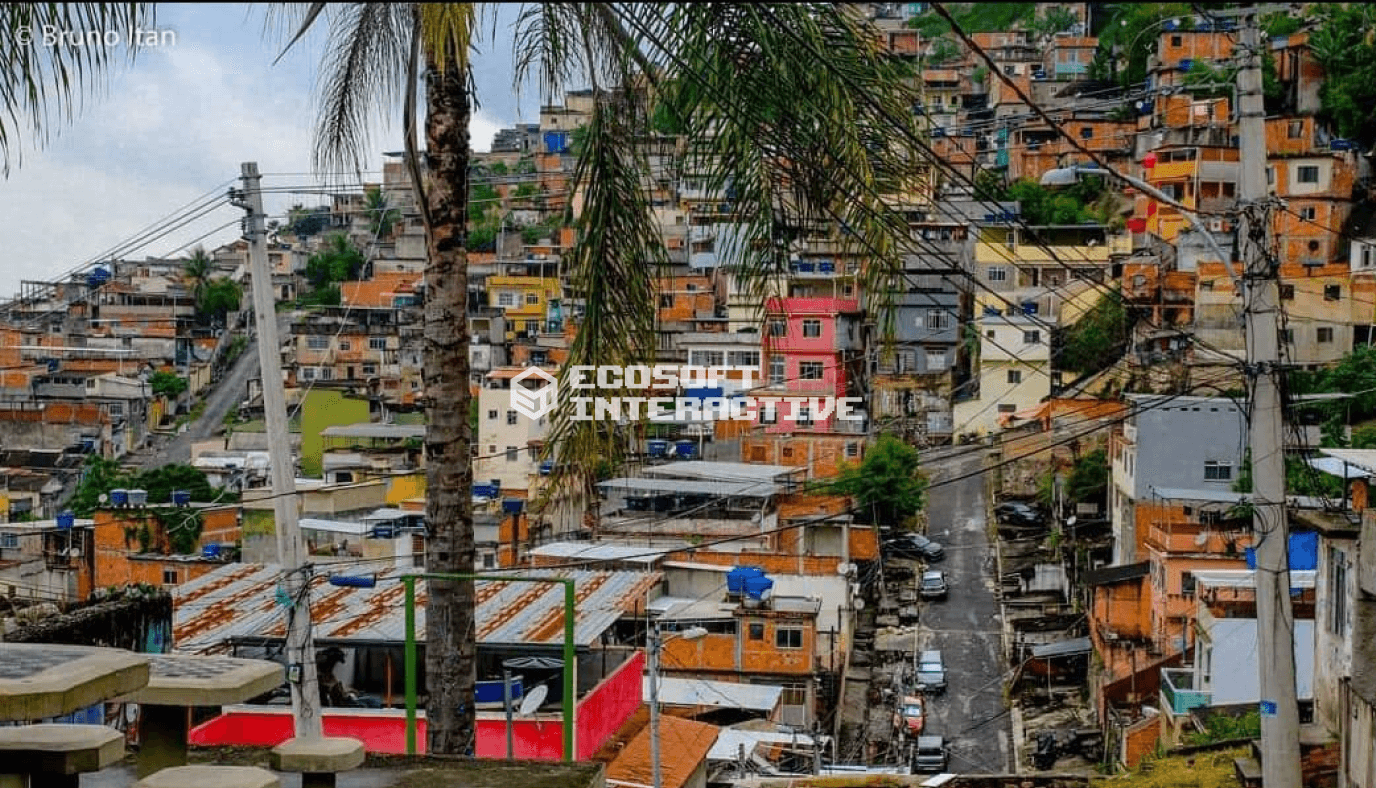
Waste oil upcycling initiatives across Brazilian favelas convert discarded cooking oil into soap and cleaning products, creating income opportunities while protecting waterways from contamination.
Community-led programs in Rio de Janeiro favelas demonstrate how waste oil upcycling addresses environmental and economic challenges simultaneously. Residents collect used cooking oil that would otherwise clog sewage pipes or pollute rivers and bays. They transform this waste into marketable soap and cleaning products, generating income for vulnerable populations while preventing water pollution.
The ReciclAção initiative in Morro dos Prazeres emerged following a 2010 landslide that claimed the lives of dozens of residents. Community organizer Cris dos Prazeres recognized that waste management played a role in the disaster. The tragedy prompted residents to reassess their approach to waste disposal and environmental stewardship.
The ReciclAção collects used cooking oil through eco-points distributed throughout the community. These eco-points collect between one and 1.5 tons of recyclable material monthly. The organization also collects recyclable materials, hosts community breakfasts, conducts cleanups, and facilitates workshops on the reuse of waste materials.
The Favela+Limpa project in the Cantagalo and Pavão-Pavãozinho communities demonstrates comprehensive waste collection, including the collection of used cooking oil. Founder Leandro Neres Abrantes launched the initiative in 2012 after seeing his community labeled the dirtiest in Rio de Janeiro. Working with resident Nivaldo Cavalcante, who handles cooking oil collection, Abrantes organized groups to clean alleys and engage families across more than 10,000 residents in 3,200 homes.
The Wash Your Hands project in Morro da Providência installed 64 sinks with soap throughout the community during the pandemic. The soap comes from reused oil processed using traditional techniques. Founder Alessandra Alvez-Roque distributes the soap to families in the favela.
Waste oil upcycling proves particularly important in Brazilian favelas, where infrastructure often lags behind other urban areas. When cooking oil enters drainage systems, it creates thick masses that block pipes. This causes waste to flow downhill during heavy storms, creating accidents on streets and roads near communities. The blockages also damage sewage treatment networks and contaminate water supplies.
The Prove program, established in 2008 by Rio de Janeiro’s Secretary of State for the Environment, encourages the collection of used cooking oil for reuse in soap production and as an alternative energy source, such as biodiesel. The initiative supports the creation of cooperatives for the selective collection of solid and liquid waste while generating jobs and income for organized collectors.
Waste oil upcycling initiatives demonstrate principles of the circular economy, where materials are reused rather than discarded. This aligns with Brazil’s National Solid Waste Policy that embeds circular economy concepts into law. Environmental engineers note that promoting solutions for oil disposal implements these policy principles while addressing social, economic, and environmental sustainability pillars simultaneously.
Traditional soap-making techniques require minimal equipment and materials. Used cooking oil is combined with caustic soda in precise proportions. After the chemical reaction is complete and the mixture has rested, usable soap forms. Communities can produce various cleaning products, including hand soap, dishwashing paste, and general-purpose cleaners. The products perform comparably to commercial alternatives while costing significantly less to produce.
The economic benefits extend beyond saving money on cleaning products. Cooperatives that collect and process waste oil create employment opportunities for residents who often face barriers to formal job markets. Women particularly benefit from these initiatives, gaining income sources while working within their communities.
Education plays a crucial role in waste oil upcycling programs. ReciclAção facilitates environmental education in schools and conducts nature walks in the community. The organization emphasizes teaching children about sustainability, recognizing that they represent future generations who will maintain environmental practices.
Brazilian cooperatives have expanded the uses of waste oil beyond soap. Some facilities filter and process used vegetable oil for biodiesel fuel. The Green Grease Project developed small, inexpensive filtration systems using recycled and locally available materials. A system installed at CORA cooperative has a 200-liter capacity, removes 86% of water from waste oil, and all particulates.
Waste oil upcycling initiatives spread beyond Rio de Janeiro and São Paulo. Communities across Brazil recognize opportunities to address waste disposal problems while creating economic benefits. The combination of environmental protection, income generation, and community empowerment makes these programs replicable in various contexts where infrastructure limitations create challenges in waste management.
The success of waste oil upcycling demonstrates that favelas serve as models of sustainability rather than sources of environmental problems. Community activists work to combat stigmatization, showing that many favela residents act as agents of environmental protection and awareness. These locally developed initiatives cater to basic needs at low costs while providing ecologically sustainable alternatives to profit-driven models.
Future expansion requires continued support from environmental organizations, the development of new public policies, and the establishment of additional collection centers. Training programs help more community members learn production techniques and business skills. As initiatives mature and gain recognition, they create pathways for products to reach broader markets beyond immediate neighborhoods.
The waste oil upcycling movement in Brazilian favelas proves that environmental solutions can emerge from communities facing significant challenges. By transforming pollution into income and building local environmental stewardship, these initiatives demonstrate how grassroots innovation addresses multiple interconnected problems through practical, community-led action.
Comments