News
Updates
By
Sean Beck
Feb 2, 2026
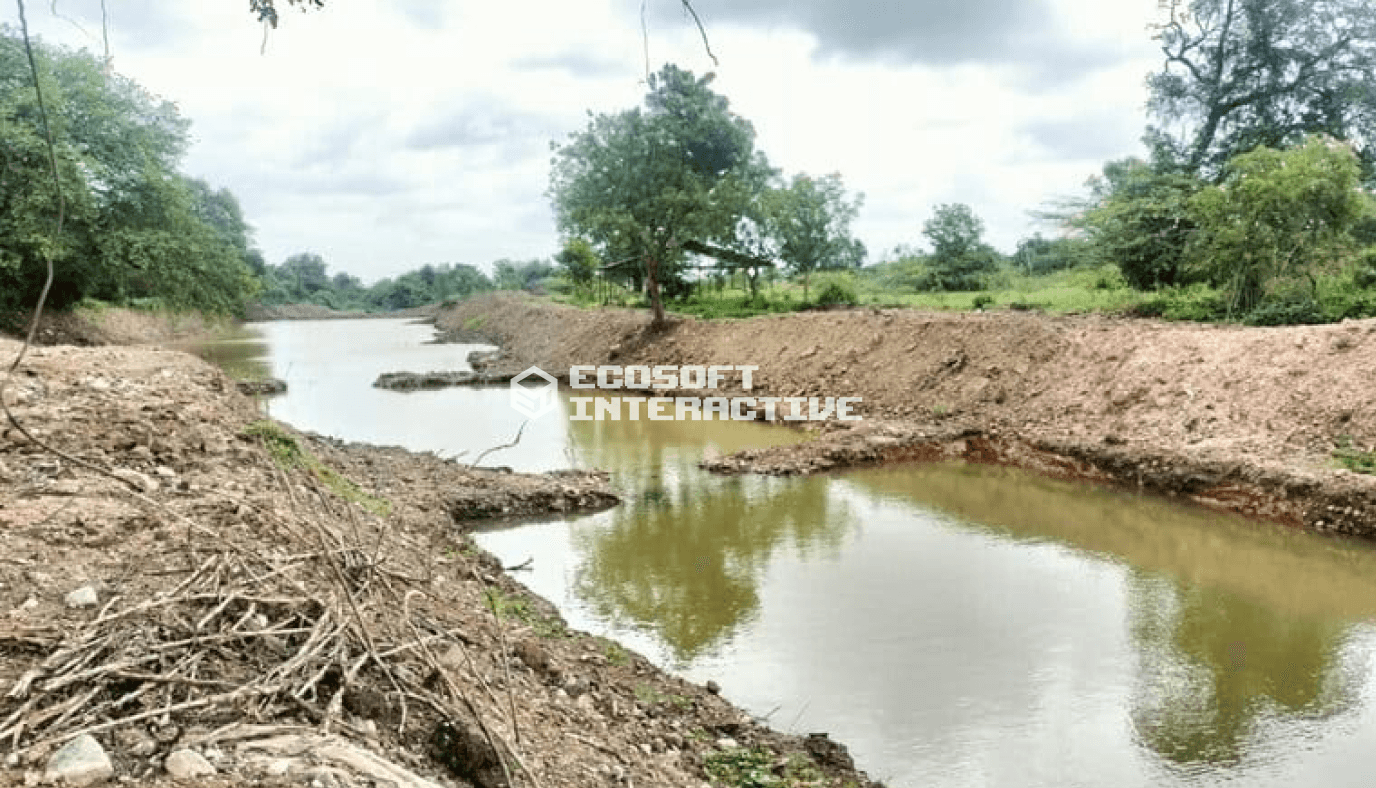
Waterbody restoration efforts in India, led by former Indian Revenue Service (IRS) officer Ujjwal Kumar Chavan, have created hundreds of millions of liters of community water storage across drought-hit villages in Maharashtra.
The waterbody restoration efforts in India gained powerful new momentum when former Indian Revenue Service officer Ujjwal Kumar Chavan returned to his drought-stricken home region in Maharashtra and launched a grassroots water conservation project that would grow far beyond its original ambition. Moved by the devastating impact of repeated dry seasons on farmers’ livelihoods and communities, Chavan drew on local collaboration to rebuild water storage systems across scores of villages.
Chavan’s initiative began with a simple yet transformative idea: harvest rainwater where it falls. In his own village, he led locals in building reservoirs capable of storing millions of liters of rainwater from monsoon seasons, turning once‑barren land into a more fertile, hydrated landscape. The prototype reservoir, initially planned for 10 crore liters of capacity, eventually held 14 crore liters, proving the concept and inspiring neighboring villages to join the effort.
As the waterbody restoration movement grew, communities organised themselves into volunteer groups known as “Panch Patil,” each responsible for several villages’ water infrastructure. Together with farmers, teachers, and local officials, these volunteers built small check dams, ponds, and runoff capture structures designed to hold and percolate rainwater into the ground, recharging aquifers that had long been depleted by drought and over-extraction.
The core technique behind the work draws on the Johad method pioneered by Rajendra Singh, in which earthen check dams and small embankments slow surface runoff and increase groundwater recharge. Over successive rainy seasons, this approach helped transform parched landscapes into vibrant, water-retentive systems.
To date, Chavan and his collaborators have built infrastructure capable of storing more than 500 crore liters of water across 204 villages, a scale of waterbody restoration efforts in India rarely matched in grassroots projects. This network of reservoirs and recharge structures combats not only chronic drought but also provides flood mitigation benefits during intense monsoon pulses.
The effects extend well beyond water storage. Farmers in participating villages report that stored water now lasts through critical dry months, enabling irrigation for longer periods and stabilising crop production where fields once lay fallow. Increased water availability has played a significant role in doubling some farmers’ incomes, reducing their dependency on purchased fodder, and boosting allied activities such as dairy farming.
The restoration of surface water bodies has also had notable environmental benefits. Once-dry streams and riverbeds now flow more consistently, and groundwater levels have shown measurable rises, bringing wells and shallow boreholes back into use. In turn, these water gains support biodiversity, improve soil moisture retention, and reduce the need for seasonal migration out of rural communities.
Importantly, the model demonstrates how decentralised water governance can complement large-scale infrastructure projects. Rather than relying on expensive dams or distant canals, the waterbody restoration efforts in India showcased here work at the micro-watershed level, strengthening local self-reliance while lowering costs and environmental disruption. Development experts note that such community-led systems are often more resilient to climate variability because they are adapted to local geography, rainfall patterns, and social structures.
The initiative’s success lies in its combination of community empowerment and practical engineering. Chavan emphasises that the work is not about charity but ownership; villagers contribute labour, materials, and decision-making, and they form water committees to manage and maintain restored water bodies long after construction.
Despite his demanding career in the civil service, Chavan spent weekends in the field, mobilising volunteers and celebrating shared victories. He now continues this mission outside government service, training new leaders and advocating for models that can be replicated in other drought-prone regions of India.
The waterbody restoration efforts in India exemplify how local knowledge, when paired with collective mobilisation, can deliver lasting environmental and economic benefits. As climate change intensifies water stress across South Asia, projects like this offer a hopeful blueprint for sustainable water management rooted in community action rather than top-down intervention.
Comments