World
News
By
Sean Beck
Nov 26, 2025
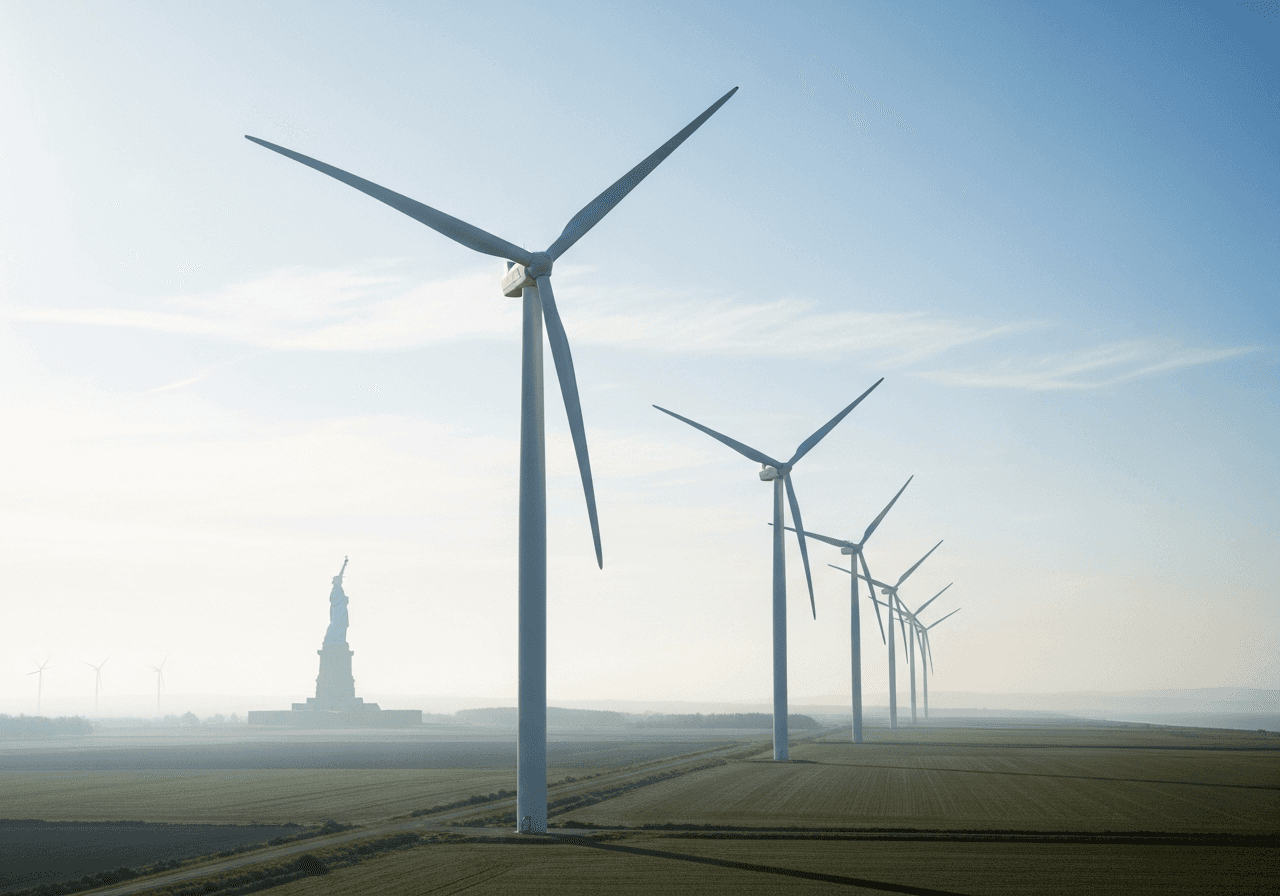
At first glance, a modern wind turbine looks like a simple white structure rising from open fields or standing along windy coastlines. But when you step closer, the scale becomes staggering. Many of today’s turbines are taller than the Statue of Liberty, stretching hundreds of feet into the sky with blades longer than the wingspan of a Boeing passenger jet. Their size is not just for show. It is the key to capturing cleaner, more powerful, and more consistent energy.
Wind speed increases dramatically with height. Near the ground, wind is slowed by trees, buildings, and terrain. Higher above the surface, the air moves faster and more steadily. Engineers have used this knowledge to build turbines that reach these stronger wind layers. The result is a machine that can generate far more electricity with each rotation. A taller tower means wider access to consistent winds, which leads to greater output and improved efficiency throughout the year.
The blades themselves are masterpieces of aerodynamic engineering. Some now exceed 100 meters in length, shaped with precision to capture energy from the faintest breeze. Each blade moves with a slow, deliberate rhythm, yet every turn transfers immense power through the turbine’s generator. Despite their size, modern blades rotate quietly, gliding through the air with smooth, measured motion. This combination of strength and elegance is what makes wind technology so impressive.
Standing beneath one of these giants feels almost surreal. The structure stretches into the sky with a calm presence, blending futuristic design with the natural rhythm of the wind. Turbines are not loud or violent. They move gently, responding to the atmosphere with a kind of mechanical grace. It is a reminder that renewable energy does not need to be forceful. It can be harmonious.
The reason for building turbines so tall is simple. Bigger machines mean more renewable power from fewer installations. One large turbine can generate enough electricity to supply thousands of homes. Offshore versions are even larger, taking advantage of strong ocean winds to power entire regions. These gigantic structures help countries reduce carbon emissions, stabilize energy grids, and push forward the global transition toward cleaner energy.
Of course, constructing turbines of this scale requires immense planning, advanced materials, and skilled engineering. Components are transported by specialized vehicles. Blades travel across highways at night due to their length. Towers are assembled piece by piece using cranes that reach extraordinary heights. Every installation is a feat of logistics and precision.
Yet once they are built, turbines stand quietly for decades, turning wind into electricity day after day. They require no fuel, create no emissions, and leave a far smaller environmental footprint than fossil fuel alternatives. Their towering presence on the horizon is not just a symbol of technological progress. It is a promise of a cleaner, more resilient future.
To see a wind turbine towering above the landscape is to witness a blend of human ingenuity and natural power. It shows how far renewable energy has come and how much potential still lies ahead as we continue to harness the simple force of moving air.
Comments